.webp)


What Is Fiber Cement Siding
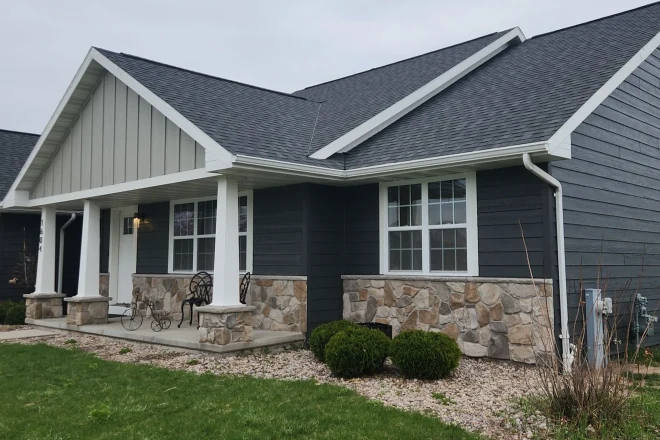
Fiber cement siding is a durable exterior building material made from a mixture of Portland cement, silica sand, water, and cellulose fibers. These ingredients are combined under heat and pressure to form dense, rigid panels that protect the outside of a home from fire, moisture, pests, and extreme weather. Fiber cement siding carries a Class A fire rating, the highest available for residential siding, and lasts 30 to 50 years or more with proper maintenance, according to data from James Hardie, Angi, and This Old House.
Fiber cement has become one of the fastest-growing exterior siding materials in the United States. James Hardie, the largest fiber cement manufacturer, holds roughly 90% of the domestic fiber cement market, according to the Freedonia Group. The material mimics the look of natural wood, stone, and stucco without the rot, pest damage, and constant upkeep those materials require. Below, we cover what fiber cement siding is made of, what it looks like, its key benefits, how long it lasts, what it costs, how it compares to vinyl and engineered wood, and how to maintain it for decades of performance.
What Is Fiber Cement Siding Made Of?
Fiber cement siding is made of four primary ingredients: Portland cement, silica sand, water, and cellulose fibers. Portland cement and silica sand form a rigid, dense base that gives fiber cement its structural strength and fire resistance. Cellulose fibers, derived from plant-based wood pulp, reinforce the cement matrix and provide flexibility that prevents cracking under normal conditions. Water activates the cement curing process that binds all the components together.
Portland cement is the same binding agent used in concrete, which is why fiber cement siding shares many of concrete's durability properties. Silica sand fills the cement matrix and adds hardness and density. Cellulose fibers act as reinforcement within the cured cement, similar to how rebar reinforces a concrete slab. The combination produces a panel that weighs approximately 2.3 to 2.5 pounds per square foot, roughly double the weight of engineered wood siding like LP SmartSide, according to technical data from James Hardie and LP Building Solutions.
Some manufacturers add proprietary additives to enhance performance. James Hardie uses a formulation called Engineered for Climate, which adjusts the product composition for different climate zones across the United States. Their HZ5 formulation is designed for regions with freeze-thaw cycles, while HZ10 is engineered for areas with high heat and humidity. These climate-specific formulations help the siding resist the specific weather patterns it will face over its decades-long lifespan.
Modern fiber cement siding contains no asbestos. Early fiber cement products, first patented in Austria in 1901, used asbestos fibers as reinforcement. Asbestos was phased out of fiber cement manufacturing in the 1980s and replaced with cellulose fibers due to health and safety concerns, according to historical data compiled by Wikipedia.
What Does Fiber Cement Siding Look Like?
Fiber cement siding looks like natural wood, smooth stucco, or stone, depending on the profile and texture. The material can be manufactured to replicate the grain patterns of cedar, the smooth finish of painted clapboard, or the dimensional texture of masonry. Most homeowners choose fiber cement specifically because it delivers the visual appeal of premium natural materials without the ongoing maintenance those materials demand.
Fiber cement comes in three primary textures. Woodgrain texture replicates the look and feel of natural wood siding. Smooth texture produces a clean, modern appearance with no visible grain. Stucco texture mimics the look of traditional stucco finish. Each texture is pressed into the cement surface during manufacturing, producing a consistent pattern across every panel.
What Styles Does Fiber Cement Siding Come In?
Fiber cement siding comes in several distinct styles, each designed to create a different exterior look for the home.
- Lap siding (also called plank or clapboard siding) is the most popular fiber cement profile. Horizontal planks overlap from bottom to top, creating the classic look found on traditional American homes. Standard lap siding panels measure 12 feet in length and come in widths between 5.25 and 12 inches.
- Panel siding installs as large vertical sheets and produces a clean, modern look. Vertical panel siding works well on contemporary and farmhouse-style homes.
- Shingle and shake siding mimics the look of individual cedar shakes or shingles. This profile adds texture and dimension, and homeowners often use it on gable ends or upper stories to create visual contrast with lap siding below.
- Board and batten siding uses wide vertical boards with narrow strips (battens) covering the seams. This style has surged in popularity for modern farmhouse and transitional home designs.
Color options for fiber cement siding are extensive. James Hardie's ColorPlus Technology offers factory-applied finishes in hundreds of colors, applied under controlled conditions for a more uniform and durable result than field-applied paint. Unfinished panels can also be primed and painted on-site in any custom color. We install all of these profiles across Central Washington, and the versatility of fiber cement is one reason homeowners choose it for both new construction and siding installation projects.
What Are the Benefits of Fiber Cement Siding?
The benefits of fiber cement siding are fire resistance, pest and rot resistance, moisture durability, a long lifespan, low maintenance, and strong resale value. Fiber cement combines the aesthetic appeal of natural wood with the protective performance of cement-based construction, which is why it has become one of the most specified siding materials for residential homes in the United States.
Fiber cement siding does not rot, warp, or swell when exposed to rain, humidity, or standing moisture. The inorganic cement and sand composition cannot absorb water the way wood-based products do. Fiber cement also resists impact better than vinyl, which can crack in extreme cold or warp in extreme heat. The material holds paint exceptionally well, and factory-prefinished products like James Hardie's ColorPlus resist fading, chipping, and cracking for 15 years or more before a repaint is needed.
Is Fiber Cement Siding Fire Resistant?
Yes, fiber cement siding is fire resistant. Fiber cement carries a Class A fire rating, the highest rating available for residential siding materials, when tested in accordance with ASTM E84. James Hardie fiber cement products are classified as noncombustible per ASTM E136 testing, with a flame spread index of 0 and a smoke-developed index of less than 5, according to ICC Evaluation Service Report ESR-2290.
Noncombustible means the material will not ignite when exposed to a direct flame and will not contribute fuel to a fire. Vinyl siding melts almost immediately under flame exposure and releases toxic gasses. Wood siding fuels a fire directly. Fiber cement does neither. The Insurance Institute for Business and Home Safety (IBHS) recommends noncombustible exterior materials as part of comprehensive wildfire mitigation. In wildfire-prone regions and areas with Wildland-Urban Interface (WUI) building codes, fiber cement meets code requirements that combustible siding materials cannot satisfy without additional fire-barrier assemblies.
Do Termites Like Hardie Board?
No, termites do not like Hardie board or any fiber cement siding. Fiber cement is made of Portland cement, sand, and cellulose fibers bound within an inorganic cement matrix. Termites, carpenter ants, and other wood-boring insects feed on organic wood material, and fiber cement provides no nutritional value for any of them. No termite treatment or ongoing chemical application is required for fiber cement siding itself, according to James Hardie's technical documentation.
Woodpeckers also show little interest in fiber cement siding. Woodpeckers peck at siding to find insects or to create nesting cavities, and the dense, rigid composition of fiber cement makes it difficult to penetrate and unappealing as a nesting site. Wood siding and engineered wood products are far more vulnerable to woodpecker damage because their softer composition allows easier penetration.
Does Fiber Cement Siding Lower Home Insurance?
Yes, fiber cement siding can lower home insurance premiums because insurance companies recognize its noncombustible Class A fire rating as a reduced risk factor. A survey cited by James Hardie found that 7 out of 10 insurance professionals may offer a discount for homes with fiber cement siding. The exact discount varies by insurer, geographic region, and overall policy structure. Homeowners in wildfire-prone areas and states with WUI building codes typically see the largest insurance savings from fiber cement installation.
How Many Years Does Fiber Cement Siding Last?
Fiber cement siding lasts 30 to 50 years or more with proper maintenance, according to data from Angi, This Old House, and James Hardie. Some industry sources, including Home Genius Exteriors, report documented service lives of 50 years or longer with minimal structural repairs. James Hardie backs its fiber cement products with a 30-year non-prorated, transferable warranty when installed by a certified contractor, meaning the warranty covers 100% of the material value for the full 30-year term.
That lifespan compares favorably to every other common siding material. Vinyl siding lasts 20 to 40 years, according to Angi. Wood siding lasts 20 to 40 years with regular staining and sealing. Engineered wood like LP SmartSide lasts 20 to 30 years depending on maintenance frequency and climate. Fiber cement's combination of a cement-based composition and inorganic pest immunity means it reaches the upper end of its lifespan range with less maintenance than any wood-based alternative requires. Homeowners planning a full home remodel often choose fiber cement specifically because its 30-to-50-year lifespan outlasts the typical 20-to-30-year cycle of interior finishes, meaning the exterior stays strong long after the inside gets its next refresh.
Climate, installation quality, and upkeep all affect how long fiber cement siding lasts on a given home. Proper flashing around windows and doors, correct fastening patterns, and maintaining paint and caulk seals all extend the life of the siding. A yearly visual inspection and a rinse with a garden hose keep the surface clean and help catch minor issues before they grow.
How Much Does Fiber Cement Siding Cost?
Fiber cement siding costs $5 to $15 per square foot installed, with a national average project cost of about $14,888, according to 2026 data from Angi and This Old House. For a typical 2,000-square-foot home, a full fiber cement siding project runs about $12,000 to $26,000 depending on the product line, finish type, and regional labor rates. Factory-prefinished products like James Hardie ColorPlus cost more per square foot than primed panels but save money on painting labor and extend the repaint interval to 15 years or more.
Fiber cement costs more upfront than vinyl but less than brick, stone veneer, or natural cedar. The higher initial investment pays off through a longer lifespan, lower cumulative maintenance costs, and the highest resale return of any siding material. According to the 2025 Zonda Cost vs. Value Report, fiber cement siding replacement returned about 114% of its cost at resale nationally, making it one of the few home improvements that more than pays for itself when you sell.
Siding MaterialInstalled Cost (Per Sq Ft)Expected LifespanResale ROIVinyl$4.50 to $1220 to 40 years~97%Engineered Wood (LP SmartSide)$4.50 to $1020 to 30 yearsBetween vinyl and fiber cementFiber Cement (James Hardie)$5 to $1530 to 50+ years~114%Natural Wood (Cedar)$7 to $2020 to 40 yearsVaries by regionBrick / Stone Veneer$10 to $3550+ yearsVaries by region
A 2026 cost study from Data Insights Market modeled 30-year ownership scenarios and found that the total ownership cost of fiber cement siding runs 8% to 12% lower than vinyl and 18% to 25% lower than cedar when cumulative repainting, repair, and replacement expenses are included. The initial premium pays for itself within 10 to 12 years through lower repair and repainting costs over the ownership period.
How Much Does Fiber Cement Siding Cost for a 2000 Sq Ft House?
Fiber cement siding costs about $12,000 to $26,000 for a 2,000-square-foot house, depending on the product, finish, and complexity of the installation. A 2,000-square-foot home typically has 1,600 to 2,200 square feet of exterior wall area to cover, depending on the number of stories and openings. At the installed range of $5 to $15 per square foot from This Old House and HomeGuide, that produces a project total of $8,000 on the low end for basic primed lap siding up to $33,000 on the high end for premium factory-finished panels on a complex home. The full picture of siding replacement costs covers pricing across all material types and home sizes.
Does Fiber Cement Siding Increase Home Value?
Yes, fiber cement siding increases home value and consistently ranks near the top of all home improvement projects for return on investment. According to the 2025 Zonda Cost vs. Value Report, replacing siding with fiber cement adds an average of $24,420 to a home's resale value. Clay DeKorne, editor of the Cost vs. Value Report, noted that exterior replacement projects remain the clear winners for adding resale value. Fiber cement's combination of durability, curb appeal, and low maintenance makes it attractive to buyers, which helps homes sell faster and at higher prices.
Which Is Better, Vinyl Siding or Fiber Cement?
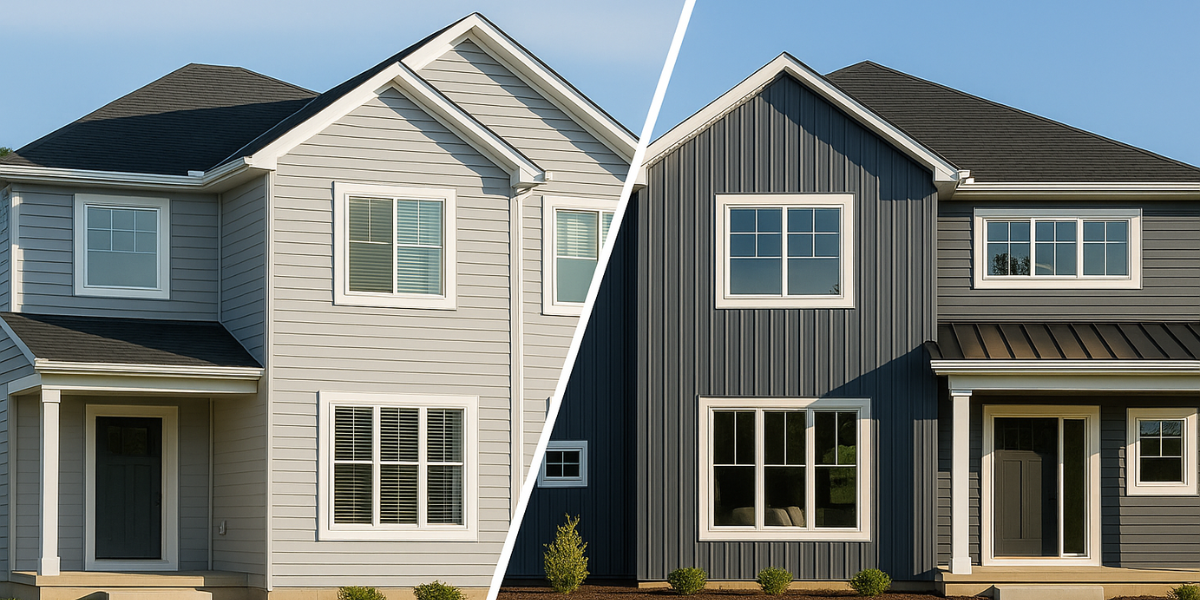
Fiber cement siding is better than vinyl siding in durability, fire resistance, appearance, lifespan, and resale value. Vinyl siding is better than fiber cement in upfront affordability and ease of installation. The right choice depends on your budget, your climate, and how long you plan to stay in the home.
Vinyl siding costs $4.50 to $12 per square foot installed and lasts 20 to 40 years, according to Angi. Vinyl requires no painting and installs quickly because it is lightweight. Fiber cement costs $5 to $15 per square foot installed and lasts 30 to 50 years or more. Fiber cement carries a Class A fire rating while vinyl melts under flame exposure. Fiber cement is five times thicker than vinyl, according to This Old House, which gives it superior impact resistance and a more substantial appearance on the wall.
Vinyl siding expands and contracts with temperature changes, sometimes visibly on south-facing walls that absorb full summer sun. Fiber cement is dimensionally stable and does not warp, buckle, or shift with temperature swings. For homeowners who plan to stay in the home for 10 years or more, fiber cement's lower lifetime maintenance cost and higher resale ROI typically outweigh the upfront price premium over vinyl.
How Does Fiber Cement Compare to LP SmartSide?
Fiber cement compares to LP SmartSide as the more durable, fire-resistant option, while LP SmartSide costs less upfront and installs faster due to its lighter weight. LP SmartSide is an engineered wood siding made from wood strands bonded with resin and treated with zinc borate. Fiber cement's inorganic composition makes it immune to moisture-related decay, while LP SmartSide's wood-based substrate absorbs 12% to 16% moisture at saturation, according to technical data published by Facade Colorizer. LP SmartSide carries a Class C fire rating, compared to fiber cement's Class A.
We install both materials and help homeowners choose based on their home's exposure, budget, and long-term plans. A detailed comparison of LP SmartSide and fiber cement covers composition, cost, fire resistance, warranty, maintenance, and resale value side by side.
How Is Fiber Cement Siding Installed?
Fiber cement siding is installed by fastening pre-cut panels to the exterior wall sheathing over a moisture barrier (house wrap), with proper flashing around all windows, doors, and roof-to-wall transitions. Professional installation is strongly recommended because fiber cement is heavy, requires specialized cutting tools, and generates silica dust that demands respiratory protection under OSHA regulations.
Fiber cement panels weigh approximately 2.3 to 2.5 pounds per square foot. That weight requires at least two workers to carry and position each panel. Cutting fiber cement requires carbide-tipped saw blades or fiber cement shears. Using a circular saw without dust collection produces airborne crystalline silica particles that can cause silicosis and other lung diseases with long-term exposure. Research by the National Institute for Occupational Safety and Health (NIOSH) found that connecting a standard shop vacuum to a circular saw reduces silica dust exposure by 80% to 90%, according to NIOSH Publication 2015-185.
Correct installation includes maintaining a minimum 6-inch clearance between the bottom of the siding and the finished grade, using corrosion-resistant nails or screws, and leaving proper expansion gaps at panel joints filled with compatible caulk. Each panel must be back-primed or factory-sealed before installation to prevent moisture absorption from the back side. Improper flashing or missed expansion gaps are the most common causes of premature fiber cement failure, not material defects. A qualified siding specialist follows the manufacturer's installation specifications to protect both the material warranty and the homeowner's investment.
Can Woodpeckers Get Through a Hardie Board?
No, woodpeckers cannot get through a Hardie board that is properly installed and in good condition. Fiber cement siding is made of Portland cement, sand, and cellulose fibers, which produce a dense, rigid surface that woodpeckers cannot easily penetrate. Woodpeckers typically target wood siding and engineered wood products because those materials are softer and may harbor insects inside the wall cavity. Fiber cement's inorganic composition holds no appeal as a food source or nesting material for woodpeckers.
If a woodpecker does peck at fiber cement siding, it usually indicates insects in the wall cavity behind the siding rather than a problem with the siding itself. In those cases, addressing the pest issue in the wall resolves the woodpecker activity.
How Do You Maintain Fiber Cement Siding?
You maintain fiber cement siding by rinsing it with a garden hose once or twice a year, scrubbing stubborn dirt with a soft-bristled brush, and inspecting caulk joints and paint for signs of wear. Fiber cement is one of the lowest-maintenance siding materials available, and its upkeep is far simpler than what wood or engineered wood siding requires.
- Rinse the entire exterior with a garden hose every 6 to 12 months to remove dirt, pollen, and debris. A low-pressure setting is sufficient. Avoid high-pressure washing, which can damage the paint finish.
- Scrub any areas with visible mold, mildew, or staining using a soft-bristled brush and a mild detergent mixed with water. Rinse thoroughly after scrubbing.
- Inspect caulk joints around windows, doors, and panel seams once a year. Replace any cracked or separated caulk to prevent moisture from entering behind the panels.
- Check the paint finish for peeling, chipping, or fading. Factory-prefinished fiber cement with ColorPlus Technology typically lasts 15 years or more before repainting. Field-painted fiber cement requires repainting every 10 to 15 years depending on climate and sun exposure.
- Trim landscaping to keep plants, shrubs, and tree branches at least 6 inches away from the siding surface. Vegetation that touches the siding traps moisture against the panels and accelerates paint wear.
Compared to wood siding, which requires staining or sealing every 3 to 7 years, fiber cement's maintenance cycle is significantly less demanding. That lower maintenance burden is one reason homeowners choose fiber cement for home renovations where they want a durable exterior that does not require constant attention. Many homeowners pair a new siding project with outdoor living spaces like decks and covered patios to refresh the entire exterior in a single project.
Can Cracked Hardie Board Be Repaired?
Yes, cracked Hardie board can be repaired in many cases, depending on the size and location of the crack. Small hairline cracks can be filled with a high-quality exterior caulk or patching compound designed for fiber cement. Larger cracks or broken sections typically require removing and replacing the damaged panel. Fiber cement lap siding panels can be individually replaced without removing the surrounding panels, which makes targeted repairs straightforward for an experienced installer.
Cracking in fiber cement siding most often results from improper installation, not material failure. Panels fastened too tightly, installed without proper expansion gaps, or nailed through pre-drilled holes that are too small can develop stress cracks as the panels expand and contract with temperature changes. Correct installation technique prevents the vast majority of cracking issues.
Frequently Asked Questions
What Are the Downsides of Fiber Cement Siding?
The downsides of fiber cement siding are higher upfront cost compared to vinyl, heavier weight that requires professional installation, silica dust generated during cutting that demands respiratory protection, and the potential for cracking if panels are installed without proper expansion gaps. Fiber cement also requires repainting every 10 to 15 years when field-painted, although factory-prefinished options extend that interval to 15 years or more. These considerations are worth weighing against fiber cement's advantages in durability, fire resistance, and resale value.
What Was the Main Problem With Fiber Cement Board Siding?
The main problem historically associated with fiber cement board siding was cracking during installation or during freeze-thaw cycles when panels were fastened too tightly or installed without proper expansion gaps. Modern fiber cement products from James Hardie address this through climate-specific formulations and detailed installation specifications. Cracking remains possible with improper installation, but experienced crews who follow manufacturer guidelines produce installations that last decades without cracking issues.
What Are the Common Problems With Fiber Cement Siding?
The common problems with fiber cement siding are cracking from improper fastening, moisture intrusion behind panels from missed flashing details, and paint failure from skipped back-priming. All three problems trace back to installation errors rather than material defects. Fiber cement installed by a qualified contractor following the manufacturer's specifications avoids these issues. Choosing a contractor with documented fiber cement experience is the single most important step a homeowner can take to prevent common problems.
What Is the Best Siding to Replace Cedar Siding?
The best siding to replace cedar siding is fiber cement because it replicates the natural wood grain appearance of cedar without the ongoing staining, sealing, and pest-treatment maintenance that cedar demands. Fiber cement's woodgrain texture profiles are manufactured to closely match the look of real cedar planks. Homeowners who love the aesthetic of cedar but are tired of the upkeep cycle often choose fiber cement as a direct replacement. Engineered wood like LP SmartSide is another strong option for homeowners who want real wood character at a lower installed cost than fiber cement.
Is Fiber Cement Siding the Same as Hardie Board?
Fiber cement siding is not the same as Hardie board, but the two terms are often used interchangeably. Hardie board is a brand name for fiber cement siding manufactured by James Hardie, similar to how "Kleenex" is used as a generic term for facial tissue. James Hardie holds approximately 90% of the US fiber cement market, according to the Freedonia Group, which is why "Hardie board" has become synonymous with the material category. Other manufacturers, including Nichiha and Allura, also produce fiber cement siding products. Quality, warranty terms, and formulation vary between manufacturers, so confirming the specific brand and product line during the quoting process is important.
Putting It All Together
Fiber cement siding is a composite building material made from Portland cement, silica sand, water, and cellulose fibers. It carries a Class A fire rating, resists termites and rot at the material level, lasts 30 to 50 years or more, and returns about 114% of its cost at resale. Fiber cement costs more upfront than vinyl but delivers lower lifetime ownership costs, stronger weather protection, and the highest resale value of any siding material tracked by the Cost vs. Value Report.
The material comes in lap, panel, shingle, and board-and-batten profiles with hundreds of color options. Maintenance is straightforward: a hose rinse twice a year, a caulk check once a year, and a repaint every 10 to 15 years for field-painted surfaces. Professional installation by an experienced crew is the key to getting the full performance and warranty coverage fiber cement offers.
If you are considering fiber cement for your home and want to see what it would look like and cost on your actual walls, we are happy to walk the property and talk through the options. AZ Builders LLC installs fiber cement, LP SmartSide, cedar, metal, and vinyl siding across Central Washington, and you can reach our team at (509) 661-2919 to start the conversation.
.webp)

.webp)
.webp)
You May Also Like

.webp)
%201.webp)
%202.webp)
%203.webp)
.webp)


.avif)