
.webp)


How Much Does It Cost to Reside a House
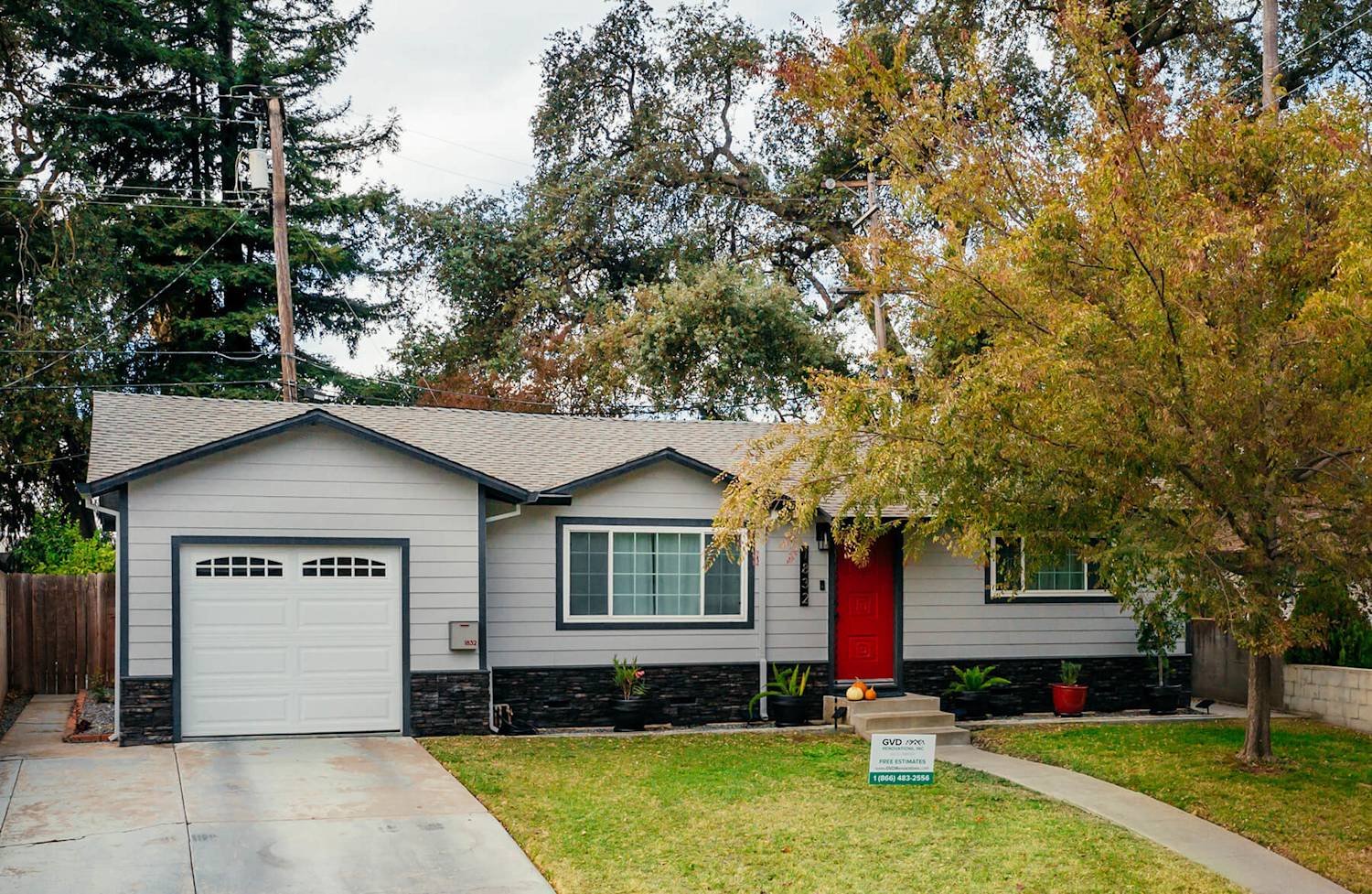
It costs about $5,571 to $17,588 to reside a house, with most homeowners paying around $11,500, according to cost data from HomeAdvisor based on more than 10,000 real projects. The price runs from about $1 to $30 per square foot, depending on the siding material you pick. Your final cost comes down to the size of your home, the material you choose, and whether the old siding needs to come off first.
Below, we break down the cost to reside a house by home size and by material. We also cover the cheapest options, how long the job takes, the best season to install, whether new siding is worth it, and the trends we see most often. We install siding every week, so this guide reflects what we actually see on real homes.
How Much Does It Cost to Reside a House?
It costs about $5,571 to $17,588 to reside a house, with an average near $11,500, based on HomeAdvisor project data. A separate 2026 HomeAdvisor estimate puts the typical range at $5,400 to $16,000, or roughly $10,750 on average, including materials, labor, and site cleanup.
The biggest factors are simple. Bigger homes need more material and more labor. Premium materials cost more than basic ones. And if old siding has to be removed and hauled away, that adds to the bill. Data from HomeAdvisor also shows siding prices have climbed about 5% to 10% over the past year as demand has grown, so getting on the schedule early helps.
How Much Does Siding Cost for a 3,000 Sq Ft House?
Siding for a 3,000 sq ft house usually costs about $9,000 to $30,000 or more, depending on the material. One thing to know first: siding is priced by the square footage of your exterior walls, not your floor space. A 3,000 sq ft home often has somewhere around 2,500 to 3,000 square feet of wall to cover. At the vinyl range of $3 to $12 per square foot reported by HomeAdvisor, that lands in the $9,000 to $30,000 zone. Fiber cement or wood will push toward the higher end.
How Much Siding for a 1,500 Sq Ft House?
A 1,500 sq ft house usually needs about 1,000 to 1,500 square feet of siding to cover its exterior walls. Again, floor space and wall space are not the same thing. Homes with more corners, gables, and stories need more material. Using the $3 to $12 per square foot range from HomeAdvisor, a smaller home like this often costs about $4,500 to $12,000 to reside, with the material choice driving where you land in that range.
What Factors Affect the Cost to Reside a House?
The factors that affect the cost to reside a house are home size, siding material, old siding removal, your home's shape, and local labor rates. A large two-story home with many corners takes more material and more hours than a small ranch. Removing and disposing of old siding adds cost, and so does fixing any rot or damage we find once the old material comes off.
Local labor and delivery rates matter too. Here in East Wenatchee, Washington, weather and seasonal demand can shift pricing through the year. The cleanest way to know your number is a walkthrough and measurement of your actual walls, not a guess from floor plans.
How Much Does Siding Cost by Material?
Siding cost by material ranges from about $1.54 per square foot for basic metal up to $17 or more per square foot for fiber cement, based on industry cost data. We install a wide range of materials, including vinyl, fiber cement, engineered wood like LP Smart, cedar, pine, and metal. Each one has its own price and lifespan, so the right pick depends on your budget and how long you want it to last.
Siding MaterialInstalled Cost (per sq ft)Average LifespanUpkeepVinyl$3 to $1220 to 40 yearsLow; wash once a yearEngineered Wood (LP Smart)$3 to $1220 to 30 yearsLow to moderateFiber Cement$5 to $1730 to 50+ yearsRepaint every 10 to 15 yearsCedar or Pine (Wood)Mid-range20 to 40 yearsStain or seal on a regular scheduleMetal (Aluminum)$1.54 to $7.15Up to 60 yearsLow
Sources: HomeAdvisor, Angi, Regal Home Improvement cost data, Pro Superior Construction, and the Remodeling Cost vs. Value Report.
How Does Vinyl Siding Compare to Fiber Cement?
Vinyl siding compares to fiber cement as the cheaper, lighter option, while fiber cement is the stronger, longer-lasting one. Vinyl costs about $3 to $12 per square foot and lasts 20 to 40 years, per Angi and HomeAdvisor. Fiber cement costs more, around $5 to $17 per square foot, but it lasts 30 to 50 years or longer and stands up better to fire, pests, and rough weather. Vinyl wins on price and easy upkeep. Fiber cement wins on lifespan and durability. Both are solid choices, and we install both, so the best pick depends on your goals.
What's the Cheapest Way to Reside Your House?
The cheapest way to reside your house is to choose vinyl siding and install it over the existing siding when the walls are in good shape. Vinyl is the lowest-cost material at about $3 to $12 per square foot, according to HomeAdvisor, and it can often go over almost any existing siding, which saves on removal and disposal fees.
You can also save by residing only the damaged sections instead of the whole home, and by booking the work in the slower season when crews have more openings. We always check the wall condition first, because skipping removal only works when the surface underneath is sound.
Is It Cheaper to Paint or Reside a House?
It is cheaper to paint a house than to reside it, at least up front. Painting costs less on day one. New siding costs more to install but tends to cost less over the long run, because siding lasts longer, needs less upkeep, and can lower energy bills. Paint also has to be redone every several years, while quality siding can last decades. So painting is the budget choice today, and residing is the value choice over time.
What Can I Use Instead of Siding?
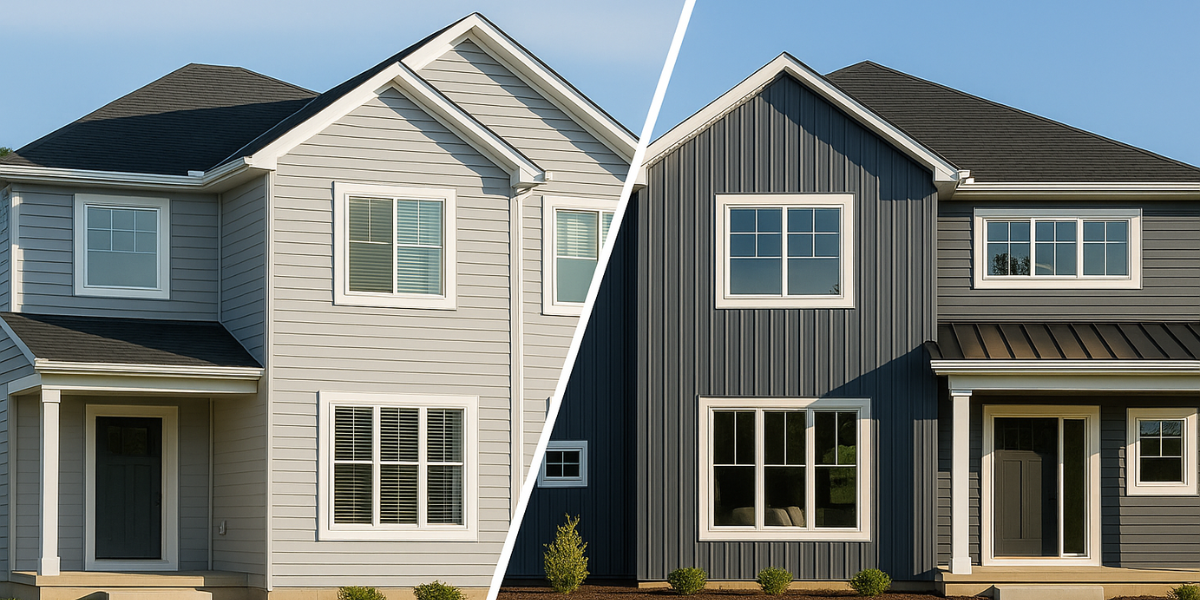
Instead of traditional lap siding, you can use options like stucco, brick, stone veneer, or board and batten panels. Stucco gives a smooth, textured finish and runs about $7 to $9 per square foot, per HomeAdvisor. Brick and stone veneer cost more but last a very long time, with brick lasting 100 years or more, according to Home Genius Exteriors. Board and batten is a vertical style that has become very popular for a modern farmhouse look. The right pick depends on your budget, your climate, and the look you want.
How Long Does Residing a House Take?
Residing a house takes about 7 to 14 days for a typical home, based on industry timelines from several siding contractors. The actual hanging of the panels often takes 4 to 7 days. The rest of the time goes to removing old siding, inspecting and repairing the walls, and final cleanup. Bigger homes, heavier materials like fiber cement, and bad weather can stretch the timeline to two or three weeks. Rain and storms pause the work, since walls need to be dry before new siding goes up.
What Is the Best Time of Year to Install Siding?
The best time of year to install siding is late spring through early fall, when the weather is mild and dry. Most crews agree the sweet spot for temperature is between 50 and 85 degrees Fahrenheit. Mild weather helps materials set and seal correctly. Cold weather is harder on the job, and the maker of James Hardie fiber cement warns against installing below 30 degrees, because caulk and touch-up paint may not stick. Fall is a smart choice in many areas, since it gets siding on before freezing temperatures arrive.
Is Residing a House Worth It?
Yes, residing a house is worth it for most homeowners, because it protects your home, lowers upkeep, and returns a large share of its cost at resale. New siding shields your walls from moisture, pests, and weather damage. It also boosts curb appeal, which helps a home sell faster. The numbers back this up, as you will see in the resale data below.
Does Residing Increase Home Value?
Yes, residing increases home value, and it ranks among the top home projects for return on investment. According to the 2024 Remodeling Cost vs. Value Report, fiber cement siding replacement returned about 88.4% of its cost at resale, while vinyl siding returned roughly 80%. The 2025 edition of that same report showed exterior siding projects performing even stronger. Siding has stayed near the top of the ROI list for years, which is rare for any home upgrade.
What Is the Average Lifespan of Siding?
The average lifespan of siding is about 20 to 50 years for most materials, though some last far longer. Vinyl lasts 20 to 40 years, per Angi. Wood lasts 20 to 40 years with regular upkeep. Fiber cement lasts 30 to 50 years or more, and James Hardie fiber cement carries a 30-year warranty while often lasting longer than that. Brick can last 100 years or more, according to Home Genius Exteriors. Climate, install quality, and upkeep all play a part. A yearly wash and quick repairs add years to any material.
What Is the New Trend for Siding?
The new trend for siding is bold, low-maintenance looks, led by fiber cement in dark colors, vertical board and batten styles, and mixed-material exteriors. Homeowners want the rich look of wood without the heavy upkeep, so durable fiber cement that mimics wood grain has surged. Deep colors like charcoal, black, and forest green are popular. Many homes now blend two materials, such as fiber cement panels with cedar or stone accents, for a custom look. We install all of these, and the demand for fiber cement keeps climbing.
Frequently Asked Questions
Are There Tax Benefits for New Siding?
There are limited tax benefits for new siding, and standard siding replacement is usually not tax deductible on its own, per the IRS. The exception is energy-efficient work. Adding qualifying insulation or insulated siding has counted toward the federal Energy Efficient Home Improvement Credit, which the IRS set at 30% of qualifying costs, up to $1,200 per year, for improvements made through 2025. Tax rules change often, so talk with a CPA about what applies to your project.
Does New Siding Improve Energy Efficiency?
Yes, new siding improves energy efficiency, especially insulated options. Insulated vinyl siding carries an R-value of about 2.0 to 4.0, which is similar to fiber cement, according to Angi. A better-sealed wall keeps heated and cooled air inside, which can trim your energy bills. Pairing new siding with added wall insulation gives the strongest result.
What Should You Look for in Quality Vinyl Siding?
What you should look for in quality vinyl siding is thicker panels, a strong warranty, good UV protection, and a proper install. Thicker, premium-grade vinyl resists cracking and can last 40 years or more, while thin economy grades may last only 20 to 25 years. A correct install with room to expand and contract is just as important as the panel itself, since loose or poorly sealed panels fail early.
Which Siding Holds Up Best in Tough Weather?
The siding that holds up best in tough weather is fiber cement, followed by metal and brick. Fiber cement resists fire, moisture, pests, and high winds, and it carries the highest fire-resistance rating available, per Angi. Metal and brick also stand up well to harsh conditions and last for decades. For homes that face heavy sun, cold snaps, or storms, these durable materials are smart picks.
Can You Put New Siding Over Old Siding?
Yes, you can put new siding over old siding in many cases, and vinyl in particular can go over almost any existing siding. This saves on removal and disposal costs. The catch is that the wall underneath must be sound, with no rot, mold, or pest damage. We always inspect first, because covering a damaged wall only hides a problem that gets worse over time.
How Often Should Siding Be Replaced?
Siding should be replaced once it reaches the end of its lifespan or starts to fail, which is usually every 20 to 50 years depending on the material. Warning signs include widespread cracking, warping, soft or rotting spots, peeling interior paint, and rising energy bills. Catching these early, with a yearly wash and quick repairs, helps your siding reach the high end of its expected life.
The Bottom Line
Residing a house costs about $5,571 to $17,588 for most homeowners, with the final price set by your home size, the material you choose, and whether old siding needs to come off. Vinyl is the budget-friendly choice, fiber cement offers the best mix of lifespan and resale value, and durable materials hold up best in tough weather. New siding protects your home, lowers upkeep, and returns a strong share of its cost when you sell, which makes it one of the smarter exterior upgrades you can make.
If you are weighing a siding project and want a real number based on your actual walls, we are glad to take a look and walk you through the options. AZ Builders LLC has served homeowners with quality siding work for over six years, and you can reach our team anytime at (509) 415-8817 to talk it through.
.webp)

.webp)
.webp)
You May Also Like

.webp)
%201.webp)
%202.webp)
%203.webp)
.webp)


.avif)