
.webp)


How Much Does Siding Replacement Cost
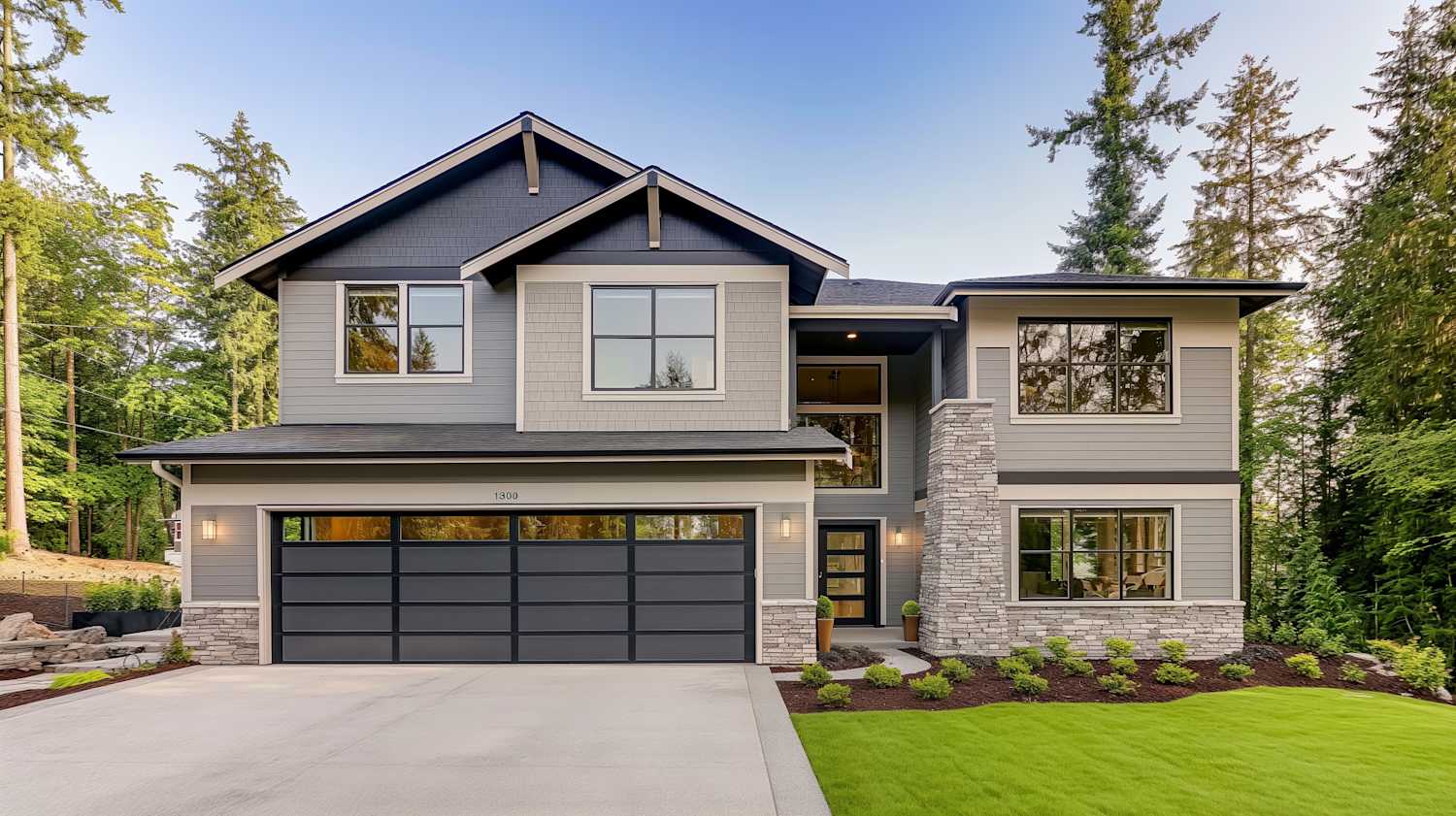
The average cost for a home siding replacement ranges between $5,500 and $22,000, with most homeowners spending around $11,500 for a standard-sized house. On a per-square-foot basis, expect to pay $6 to $15 per square foot for materials and professional labor combined, according to 2026 cost data from Angi, HomeGuide, and This Old House. The final price comes down to three things: the siding material you choose, the size of your home, and whether your old siding needs to come off first. Total project costs can reach $30,000 or higher for larger homes or premium materials like fiber cement and natural wood.
Below, we break down siding replacement cost by material type, walk through the additional cost factors that move the price up or down, cover how to estimate your project accurately, and explain whether the investment pays off at resale. We replace siding every week across Central Washington, so this guide reflects what we actually see on real projects.
How Much Does Siding Replacement Cost by Material?
The material you pick is the single biggest factor driving your total siding replacement cost. Each material carries a different installed price, a different lifespan, and a different level of ongoing upkeep. We install vinyl, fiber cement, engineered wood like LP SmartSide, cedar, pine, and metal across Central Washington. The comparison below shows how the most common choices compare on installed cost, total project cost for a typical 2,000-square-foot home, and expected lifespan.
Siding MaterialInstalled Cost (Per Sq Ft)Estimated Total (2,000 Sq Ft Home)Expected LifespanVinyl$4.50 to $12$9,000 to $17,00020 to 40 yearsAluminum / Metal$5.50 to $13$8,000 to $18,00030 to 50 yearsEngineered Wood (LP SmartSide)$6 to $13$10,000 to $22,00020 to 30 yearsFiber Cement (James Hardie)$6 to $15$12,000 to $26,00030 to 50+ yearsNatural Wood (Cedar / Pine)$7 to $20$14,000 to $32,00020 to 40 yearsBrick / Stone Veneer$10 to $35$15,000 to $40,000+50+ years
Vinyl siding sits at the affordable end of the siding replacement cost spectrum because it requires no painting, resists moisture without chemical treatment, and installs quickly due to its lightweight interlocking panel design. Vinyl lasts 20 to 40 years with minimal upkeep, according to Angi. Fiber cement siding costs more per square foot but lasts 30 to 50 years or longer, resists fire and pests at the material level, and carries the highest resale return of any siding type. The 2025 Zonda Cost vs. Value Report found that fiber cement siding replacement returned about 114% of its cost at resale nationally, while vinyl returned roughly 97%.
Engineered wood siding like LP SmartSide bridges the gap between vinyl and fiber cement. LP SmartSide weighs about half what fiber cement weighs per square foot, which reduces labor hours and lowers installation cost. LP SmartSide also delivers a natural wood grain appearance because it is actual wood, bonded with resin and treated with zinc borate for pest and decay resistance. Natural wood siding like cedar and pine delivers the authentic character of real wood but requires staining or sealing on a regular schedule to reach the upper end of its 20-to-40-year lifespan.
How Much Does It Cost to Put Siding on a 2000 Square Foot House?
It costs about $9,000 to $26,000 to put siding on a 2,000-square-foot house, depending on the material. One important detail to know first: siding installation is priced by the square footage of your exterior walls, not your floor space. A 2,000-square-foot home typically has somewhere around 1,600 to 2,200 square feet of exterior wall area to cover, depending on how many stories the home has and how many windows and doors break up the wall surface.
A single-story ranch with simple lines needs less siding than a two-story colonial with gables and dormers. This Old House estimates a 2,000-square-foot home with vinyl siding at about $12,252 on average for materials and installation. Fiber cement on the same home runs $18,000 to $22,000 at the midrange, according to This Old House project examples. Premium materials like natural cedar or stone veneer push the total well past $26,000 for the same home size.
How Much Does It Cost to Reside a 1500 Sq Ft House?
It costs about $6,000 to $18,000 to reside a 1,500-square-foot house, depending on the siding material and the shape of the home. A 1,500-square-foot home usually has about 1,000 to 1,500 square feet of exterior wall area. Using the vinyl range of $4.50 to $12 per square foot, that puts vinyl siding at roughly $4,500 to $12,000 for a smaller home. Fiber cement or cedar siding push the total toward the higher end of that range. The full picture of residing a house includes costs by home size, material, and project scope.
What Factors Affect Siding Replacement Cost?
The factors that affect siding replacement cost are siding material, home size, home shape and complexity, labor rates, old siding removal, structural repairs found underneath, and permit requirements. Material choice is the biggest single driver. Home size is the second. Everything else adds or subtracts from the base number those two factors produce.
A large two-story home with multiple gables, dormers, and intricate rooflines requires more material, more cutting and fitting, and more labor hours than a simple single-story ranch. Homes with many windows and doors also take longer because each opening requires precise trimming and flashing. Taller homes may require scaffolding or specialized safety equipment, which adds to the project cost. According to multiple contractor sources, multi-story homes can see a 25% to 50% increase in labor cost compared to single-story homes of the same floor area.
Regional labor rates play a role too. Here in Central Washington, seasonal demand shifts pricing through the year. Summer is peak season for exterior work, and scheduling in fall or early winter sometimes opens up better availability and pricing.
What Is the Labor Cost to Install Siding?
The labor cost to install siding runs about $2 to $6 per square foot, according to HomeGuide. Labor typically accounts for 40% to 50% of the total siding replacement cost. The exact rate depends on the siding material, the complexity of the home, and local contractor rates. Vinyl siding installs faster because it is lightweight and uses simple interlocking panels. Fiber cement is heavier, requires carbide-tipped cutting tools, and generates silica dust that demands respiratory protection under OSHA regulations, all of which increase labor time and cost per square foot.
When you receive a per-square-foot price from a contractor, confirm whether that number includes both materials and labor. Some estimates separate the two, while others bundle them into one installed price. Siding is one piece of a larger exterior budget, and homeowners planning multiple upgrades benefit from knowing the full picture of remodeling costs before committing.
What Is the Average Cost to Remove and Replace Vinyl Siding?
The average cost to remove and replace vinyl siding is about $6,369 to $18,274, with a national average near $12,221, according to Angi. That range includes materials, labor, and removal of the old siding. Old siding removal and disposal typically adds $0.70 to $2.00 per square foot to the project, according to HomeGuide. For a 2,000-square-foot home, removal alone can add $1,400 to $4,000 to the total bill.
Vinyl is one of the cheapest materials to remove because the panels snap together with interlocking edges and come apart quickly with a zip tool. Wood and fiber cement take longer to remove because they are fastened with nails or screws and are heavier to haul away.
What Additional Costs Come with Siding Replacement?
Additional costs that come with siding replacement include old siding removal, house wrap replacement, flashing, insulation, trim and fascia work, building permits, and structural repairs found underneath the old siding. These extras can add several thousand dollars to the base material-and-labor estimate.
- House wrap and moisture barriers cost about $0.50 to $1.00 per square foot, according to This Old House. These protect the wall sheathing from water infiltration behind the new siding.
- Flashing around windows, doors, and rooflines runs $50 to $200 per area. Proper flashing prevents water from entering the wall cavity at transition points.
- Building permits for siding projects cost $100 to $500 in most municipalities, according to This Old House.
- Structural repairs are the biggest wild card. When contractors remove old siding, they sometimes find rot, mold, or water damage in the sheathing or framing underneath. Repairing damaged sheathing can add $500 to $5,000 or more to the project depending on how far the damage extends.
- Trim, soffit, and fascia replacement is often done at the same time as siding to match the new exterior. These add to the total but keep the entire exterior looking consistent. Homeowners updating their exterior often combine siding with outdoor living spaces like decks or covered patios to get the most value from a single construction mobilization.
The cleanest way to avoid surprises is a thorough walkthrough before the project starts. A good contractor inspects the walls, checks for soft spots, and discusses the likelihood of hidden damage before locking in a final price.
How Do You Calculate How Much Siding You Need?
You calculate how much siding you need by measuring the exterior wall area of your home, subtracting windows and doors, and adding a waste factor. The result is the total square footage of siding your project requires, and that number multiplied by the per-square-foot installed cost gives you a reliable budget estimate.
- Measure the length of each exterior wall and add them together to get the total perimeter of your home.
- Measure the height of each wall from the foundation to the eaves. For homes with different wall heights, measure each wall separately.
- Multiply the perimeter by the wall height to get the total gross wall area in square feet.
- Measure each window and door opening (height times width) and add those areas together.
- Subtract the total window and door area from the gross wall area. The result is the net wall area that needs siding.
- Add 10% to 15% for waste, cuts, and fitting around corners and trim. This buffer accounts for material that gets trimmed during installation.
For example, a home with a 160-foot perimeter and 9-foot walls has 1,440 square feet of gross wall area. Subtract 250 square feet for windows and doors, and the net area is 1,190 square feet. Add 15% waste, and you need about 1,370 square feet of siding material. At the vinyl range of $4.50 to $12 per square foot installed, that project runs $6,165 to $16,440.
Floor square footage and wall square footage are not the same number. A 2,000-square-foot home does not need 2,000 square feet of siding. The actual wall area depends on the number of stories, the roof pitch, and the number of openings. A contractor measures the actual walls during the estimate, so the number you calculate at home is a planning tool, not a final figure.
How Long Does Siding Replacement Take?
Siding replacement takes about 1 to 2 weeks for a typical home, according to industry timelines from multiple siding contractors. The actual installation of new panels often takes 4 to 7 working days. The rest of the timeline goes to removing old siding, inspecting the wall surface, making any necessary repairs, and completing final cleanup. Bigger homes, heavier materials like fiber cement, and poor weather can stretch the timeline to two or three weeks.
Rain and storms pause exterior work because walls need to be dry before new siding goes up. Wind affects panel alignment, especially on taller homes. We always account for weather in our project timelines so homeowners know what to expect before the crew arrives.
What Is the Best Time of Year to Replace Siding?
The best time of year to replace siding is late spring through early fall, when temperatures stay between 50 and 85 degrees Fahrenheit and rain is less frequent. Mild, dry weather helps siding materials set correctly. Caulk, sealants, and touch-up paint adhere better in moderate temperatures. James Hardie, the largest fiber cement manufacturer, warns against installing fiber cement below 30 degrees because caulk and paint may not bond properly.
Central Washington's dry summers make the region well suited for siding work from May through September. Fall is a smart choice here because the weather is still mild and crews often have more openings than during the peak summer months. Scheduling in the off-season can sometimes mean better availability and, in some cases, lower labor rates as contractors fill their winter calendars.
Is It Worth Replacing Siding on a House?
Yes, replacing siding on a house is worth it for most homeowners because it protects the structure, lowers upkeep, improves energy efficiency, and returns a strong share of its cost at resale. Old, failing siding lets moisture into the wall cavity, which leads to rot, mold, and insulation damage that costs far more to repair than a siding replacement would have cost in the first place. Many homeowners combine siding replacement with full home remodels to address the interior and exterior at the same time. New siding seals the home's exterior and prevents those problems from starting.
The return on investment for siding replacement ranks among the highest of all home renovation projects. According to the 2025 Zonda Cost vs. Value Report, fiber cement siding replacement returned about 114% of its cost at resale nationally, making it one of the few home improvements that more than pays for itself when you sell. Vinyl siding returned roughly 97%. Clay DeKorne, editor of the Cost vs. Value Report, noted that exterior replacement projects remain the clear winners for adding resale value.
Does New Siding Increase Home Value?
Yes, new siding increases home value, and it consistently ranks near the top of all home improvement projects for return on investment. According to the 2025 Zonda Cost vs. Value Report, replacing siding with fiber cement adds an average of $24,420 to a home's resale value. Curb appeal is one of the most disproportionately influential factors in how quickly a home sells and at what price, according to real estate industry data. Fresh siding makes the entire home read as well-maintained, which reduces buyer objections and often shortens time on market.
Beyond resale, siding replacement delivers daily value through lower energy bills, less ongoing maintenance, and better protection against weather, pests, and moisture. Insulated vinyl siding carries an R-value of about 2.0 to 4.0, similar to fiber cement, according to Angi. A properly sealed exterior reduces air infiltration, which means your heating and cooling system works less to maintain a comfortable temperature. Those savings compound over the 20-to-50-year lifespan of the new siding.
Is It Cheaper to Replace Siding or Paint It?
It is cheaper to paint a house than to replace siding, at least up front. A full exterior paint job costs significantly less on day one. New siding costs more to install but tends to cost less over the long run because quality siding lasts decades, needs less upkeep, and can lower energy bills. Paint needs to be redone every 5 to 10 years depending on the material and climate. Each repaint adds cumulative cost that narrows the gap between painting and replacing.
Painting makes sense when the existing siding is still structurally sound, with no rot, warping, or moisture damage. If the siding is cracking, buckling, or soft to the touch, paint will not fix the underlying problem. In those cases, replacement is the better long-term investment because it addresses the structural issue, resets the maintenance clock, and delivers resale value that paint alone cannot match.
What Is the Cheapest Way to Replace Siding?
The cheapest way to replace siding is to choose vinyl and install it over the existing siding when the walls underneath are in good shape. Vinyl is the lowest-cost material at about $4.50 to $12 per square foot installed, and it can often go over existing siding, which saves on removal and disposal fees. That removal savings alone can knock $1,400 to $4,000 off a typical project.
Scheduling the work in the off-season, when contractors have more openings, can sometimes reduce labor costs. Replacing only the most damaged sections instead of the entire home is another option, though a full replacement is usually more cost-effective in the long run because partial jobs may not match the aging siding on the rest of the house. Getting three or more written quotes from contractors is the most reliable way to find competitive pricing for your specific home and material choice.
Can You Put New Siding Over Old Siding?
Yes, you can put new siding over old siding in many cases, and vinyl is the most common material used for overlays. Installing new siding over old siding saves on removal and disposal costs, which typically run $0.70 to $2.00 per square foot according to HomeGuide. For a 2,000-square-foot home, that saves $1,400 to $4,000.
The critical requirement is that the wall surface underneath must be sound. The old siding cannot have rot, mold, or pest damage, and the wall sheathing must be flat and structurally intact. We always inspect the walls first because covering a damaged surface only hides a problem that gets worse over time. If we find soft spots, moisture damage, or pest intrusion, the old siding needs to come off so we can repair the wall before the new material goes on. Skipping that step to save money up front almost always leads to a bigger, more expensive repair later.
Building codes in some areas require old siding removal before new installation, especially if the home already has two layers of siding. Check local requirements before assuming an overlay is permitted for your home. Our siding specialists inspect every wall before recommending whether an overlay or a full tear-off is the right approach for your home.
Frequently Asked Questions
Does Homeowners Insurance Cover Siding Replacement?
Homeowners insurance covers siding replacement when the damage is caused by a covered peril, such as a storm, hail, fire, or falling tree. Insurance typically does not cover siding replacement due to normal wear, aging, or lack of maintenance. If a hailstorm cracks your siding panels, your policy will likely cover the repair or replacement minus your deductible. If the siding is simply old and faded, that is considered normal aging and falls outside standard coverage. Review your policy or contact your insurance provider to confirm what perils are covered for your specific home.
How Often Should Siding Be Replaced?
Siding should be replaced once it reaches the end of its expected lifespan or starts to show widespread failure. Vinyl siding lasts 20 to 40 years, according to Angi. Wood lasts 20 to 40 years with regular staining and sealing. Fiber cement lasts 30 to 50 years or more. Warning signs that siding needs replacement include widespread cracking, warping, soft or spongy spots, peeling interior paint near exterior walls, and rising energy bills. A yearly walk-around inspection and a wash with a garden hose help siding reach the high end of its expected life.
What Is the Best Type of Siding for a House in 2026?
The best type of siding for a house in 2026 depends on budget, climate, and how long you plan to stay. Fiber cement is the strongest overall choice for durability, fire resistance, and resale value. Vinyl is the best choice for homeowners who want low cost and minimal upkeep. Engineered wood like LP SmartSide delivers the natural wood look at a lower installed cost than fiber cement. For homes in hail-prone or impact-heavy areas, engineered wood's flexibility gives it an edge over rigid fiber cement. We install all of these materials and help homeowners choose based on their specific home and goals.
Does New Siding Improve Energy Efficiency?
Yes, new siding improves energy efficiency, especially insulated options. Insulated vinyl siding carries an R-value of about 2.0 to 4.0, according to Angi. A better-sealed wall reduces air infiltration, which means heated and cooled air stays inside the home longer. Pairing new siding with updated house wrap and insulation behind it delivers the strongest improvement. Siding alone is not the primary driver of energy efficiency, but it works with the insulation and air sealing underneath to create a tighter building envelope.
What Should You Look for in a Siding Contractor?
What you should look for in a siding contractor is proper licensing, insurance, verified reviews, and a willingness to inspect the walls before quoting a final price. Collect at least three written quotes and compare what each includes. A reliable contractor explains what happens if damage is found underneath the old siding before the work begins, not after. Ask whether the quote includes removal, disposal, house wrap, flashing, and permits. If a contractor gives a final price without measuring the actual walls or discussing what might be behind the old siding, that is a red flag.
How Much Does It Cost to Side a House With Fiber Cement?
It costs about $14,000 to $30,000 to side a typical house with fiber cement, based on an installed cost of $5 to $15 per square foot from HomeGuide and This Old House. James Hardie, which holds approximately 90% of the fiber cement market share, offers products ranging from mid-range primed panels to premium factory-finished ColorPlus panels. The factory-applied finish adds cost but extends the repaint interval to 15 years or more, which reduces long-term maintenance expense. A full comparison of fiber cement and LP SmartSide helps homeowners weigh the differences in cost, lifespan, and maintenance.
The Bottom Line
Siding replacement costs $5,500 to $22,000 for most homes, with an average near $11,500. The final number comes down to material choice, home size, and whether old siding needs removal. Vinyl is the budget-friendly option at $4.50 to $12 per square foot installed. Fiber cement costs more upfront but delivers the longest lifespan, the highest resale return, and the strongest protection against fire, moisture, and pests. Labor typically accounts for 40% to 50% of the total project cost, and additional expenses like house wrap, flashing, permits, and hidden repairs can add several thousand dollars to the base estimate.
The numbers back up the investment. Fiber cement siding returns about 114% of its cost at resale, and vinyl returns roughly 97%, according to the 2025 Zonda Cost vs. Value Report. Beyond resale value, new siding protects your home's structure, lowers energy bills, and cuts years of future maintenance off your to-do list.
If you are weighing a siding replacement project and want a real number based on your actual walls, we are glad to walk your home and talk through the options. AZ Builders LLC has helped homeowners across Central Washington with quality siding work for over seven years, and you can reach our team at (509) 661-2919 to get started.
.webp)

.webp)
.webp)
You May Also Like

.webp)
%201.webp)
%202.webp)
%203.webp)
.webp)


.avif)