
.webp)


How Do You Rust Corrugated Metal Siding
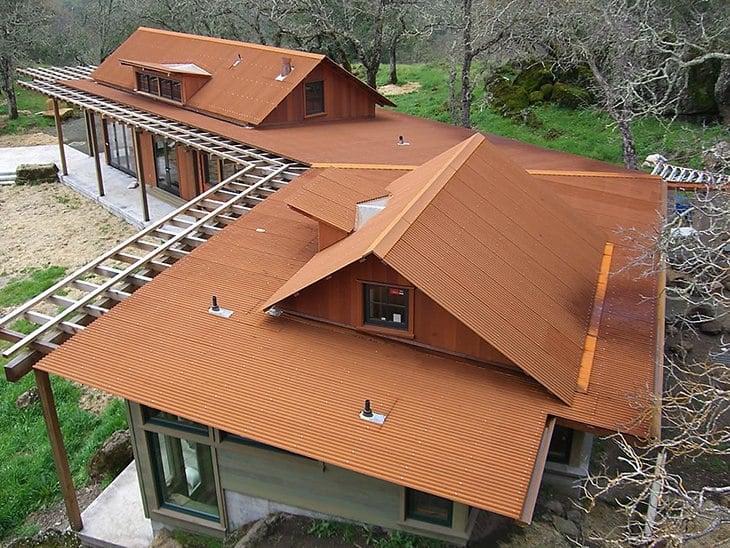
You rust corrugated metal siding by stripping the protective galvanized coating with an acid and then accelerating oxidation using a mixture of hydrogen peroxide, vinegar, and salt. The process works in three stages: prep the metal surface, strip and treat the panels to trigger rust formation, and seal the finished patina with a clear coat to lock in the color and stop further corrosion. The entire process takes a few hours of active work plus drying time, and the result is a rich, weathered patina that gives corrugated metal siding the rustic character homeowners want for modern farmhouse, industrial, and contemporary exterior designs.
Rusted corrugated metal siding has become one of the most requested exterior accent materials we see on projects across Central Washington. Homeowners use it on accent walls, gable ends, outdoor kitchen surrounds, fence panels, and covered patio structures. Below, we walk through why the rusted metal look is so popular, the two main paths to getting it (Corten weathering steel vs. accelerated rusting of bare steel), the step-by-step rusting process, how to seal the finish for long-term durability, and where rusted metal siding works best on a home.
Why Do Homeowners Choose Rusted Corrugated Metal Siding?
Homeowners choose rusted corrugated metal siding because it delivers a warm, textured, one-of-a-kind exterior finish that no factory-painted material can replicate. The rusted patina gives corrugated metal panels an aged, organic look that blends naturally with wood, stone, and concrete in modern farmhouse, industrial, and rustic contemporary home designs. Every panel develops a slightly different pattern of color and texture, which means no two rusted metal walls look exactly alike.
Rusted metal siding has gained popularity as a design accent rather than a full-home cladding material. Designers and builders use it to create visual contrast against smooth stucco, painted lap siding, or natural wood. Pairing rusted metal with fiber cement siding on the main walls produces a striking two-material exterior that balances durability with visual character. A rusted metal accent wall on a gable end or around a covered outdoor living space creates a focal point that draws attention without overwhelming the rest of the exterior. The material also works well on fences, privacy screens, garden walls, and outbuildings where the rustic character fits the setting.
Beyond aesthetics, corrugated metal is durable, fire resistant, and lightweight compared to stone or brick veneer. Metal siding lasts 30 to 50 years or longer, according to data from HomeGuide and Angi. The corrugated profile adds structural rigidity to thin steel panels, and the rusted patina itself forms a protective oxide layer that slows further corrosion when sealed properly.
What Is the Difference Between Corten Steel and Bare Steel for Rusted Siding?
The difference between Corten steel and bare steel for rusted siding is that Corten is engineered to rust in a controlled, self-protecting way, while bare steel rusts without that built-in protection and requires sealing to prevent ongoing deterioration.
Corten steel, also called A606 Type 4 weathering steel, contains copper, chromium, manganese, and nickel in its alloy composition. These elements cause the surface to form a dense, stable oxide layer (the rust patina) that actually protects the steel underneath from deeper corrosion. Corten develops its full patina naturally over 6 to 18 months of outdoor exposure without any chemical treatment. The patina self-heals when scratched, and the material requires no sealing or painting. Corten is manufactured by U.S. Steel and costs more than bare cold-rolled steel, typically 25% or more per panel, according to Western States Metal Roofing.
Bare cold-rolled steel is the less expensive option. Bare steel panels develop a similar rustic appearance after treatment with a rusting solution, but the rust on bare steel does not self-protect the way Corten's alloyed patina does. Bare steel that is rusted and left unsealed will continue to corrode, eventually weakening the panel. Sealing rusted bare steel with a clear polyurethane or matte varnish stops the oxidation process and locks in the patina for years.
FeatureCorten (Weathering Steel)Bare Cold-Rolled SteelCompositionSteel alloyed with copper, chromium, nickelStandard carbon steel, no alloy additivesRust BehaviorSelf-protecting patina forms naturallyRequires chemical treatment to rust quicklySealing RequiredNoYes, clear coat needed to stop corrosionTime to Full Patina6 to 18 months naturallySame day with accelerated rusting solutionCost25%+ more than bare steelLower upfront costLongevity50+ years with self-healing patina30+ years when sealed properly
For homeowners who want the rusted look without any chemical work and are willing to wait several months for the patina to develop naturally, Corten is the cleaner path. For homeowners who want the rusted finish right away at a lower material cost, bare cold-rolled steel with accelerated rusting and a clear seal is the practical choice. We work with both materials on siding installation projects and help homeowners choose based on their budget, timeline, and how they plan to use the material.
How Do You Rust Corrugated Metal Siding Step by Step?
You rust corrugated metal siding in three phases: prep the metal, strip and treat the surface to trigger oxidation, and finish with a protective seal. The process uses common household chemicals and produces visible rust within minutes of the first application. The steps below apply to bare (non-galvanized) steel panels. Galvanized panels require an additional acid-stripping step before the rusting solution will work, because the zinc coating on galvanized steel is specifically designed to prevent rust.
Phase 1: Prep the Metal
Start by cleaning the corrugated panels with a degreasing soap and water to remove any factory oils, dirt, or residue from the steel surface. Let the panels dry completely before moving to the next step. Any grease or oil left on the surface will block the rusting solution from making contact with the steel, leaving uneven patches in the final patina.
For galvanized corrugated steel, the zinc coating must be removed before the rusting process can begin. Galvanized steel has a zinc layer applied during manufacturing that prevents the underlying steel from oxidizing. Muriatic acid (hydrochloric acid), diluted to 10% to 15%, strips the zinc coating when applied to the surface. The acid reacts with the zinc immediately and produces hydrogen gas, so this step must be done outdoors in a well-ventilated area with gloves, eye protection, and a respirator. After 15 to 20 minutes, neutralize the acid by rinsing the panels thoroughly with water and baking soda. Rinse again with clean water and let the panels dry.
Phase 2: Strip and Treat
Mix the rusting solution in a plastic spray bottle. The standard recipe combines 8 ounces of hydrogen peroxide, 2 ounces of white vinegar, and 1 tablespoon of table salt. Shake the bottle well until the salt dissolves completely. Salt is the catalyst that accelerates the oxidation reaction between the peroxide, the vinegar's acetic acid, and the exposed steel surface.
- Spray the rusting solution evenly across the entire surface of the corrugated panel. Rust begins forming the moment the solution contacts bare steel.
- Let the first coat sit and dry in direct sunlight for 30 to 60 minutes. Sunlight and heat speed up the oxidation process.
- Apply a second coat of the rusting solution once the first coat is dry. Flip or rotate panels to treat both sides evenly.
- For a deeper, more uniform patina, apply a third coat and let the panels sit for several hours or overnight. Reapply the solution to any bare spots that did not rust during the first two coats.
The color of the rust patina deepens over 24 to 48 hours as the oxidation process continues between coats. Most panels reach a rich, even brown-orange patina after two to three applications. The vinegar etches the steel surface at a microscopic level, the hydrogen peroxide drives the oxidation reaction, and the salt accelerates the entire process. Without salt, the reaction is slower and produces a lighter, less even finish.
Phase 3: Finish and Seal
Once the rusted patina reaches the color and depth you want, seal the surface with a clear protective coat to stop the oxidation process and lock in the finish. A UV-resistant clear coat or matte polyurethane works well for exterior applications. Apply multiple light coats rather than one heavy coat, and let each coat dry completely before adding the next. The sealer prevents moisture and air from reaching the steel surface, which stops further rusting and keeps the patina stable for years.
Skipping the seal on bare steel panels is a mistake. Unsealed rusted steel continues to corrode, and the rust flakes off over time, staining anything below the panels and weakening the steel. Corten steel does not require sealing because its alloyed composition creates a self-protecting oxide layer. Bare cold-rolled steel does not have that protection, so the clear coat is not optional.
Does Vinegar Make Metal Rust Faster?
Yes, vinegar makes metal rust faster because the acetic acid in vinegar accelerates the oxidation of iron in steel. Vinegar alone produces a light surface rust over several hours, but combining vinegar with hydrogen peroxide and salt produces heavy, visible rust within minutes. The acetic acid etches the steel surface and removes the thin passive oxide layer that normally slows oxidation. Hydrogen peroxide supplies additional oxygen to the reaction, and salt acts as an electrolyte that speeds the transfer of electrons between the iron and the oxygen. The three ingredients together create a much faster and more uniform rusting reaction than any single ingredient achieves alone.
How Long Does It Take Galvanized Metal to Rust?
Galvanized metal takes 20 to 50 years to rust naturally because the zinc coating protects the steel underneath from exposure to moisture and oxygen. The zinc layer acts as a sacrificial barrier, corroding slowly over decades before the steel beneath is exposed. That slow corrosion timeline is exactly why galvanized steel is used for exterior construction in the first place. The full breakdown of what residing a house costs covers galvanized, bare, and coated metal options alongside other siding materials.
Stripping the galvanized zinc coating with muriatic acid removes that protective barrier and exposes the bare steel, which then rusts within minutes when treated with a hydrogen peroxide, vinegar, and salt solution. Without stripping the zinc first, the rusting solution will not penetrate to the steel surface, and the panels will not develop a rust patina. This is one of the most common mistakes homeowners make when attempting to rust corrugated metal siding on their own.
Where Does Rusted Corrugated Metal Siding Work Best on a Home?
Rusted corrugated metal siding works best as an accent material rather than full-home cladding. The most effective installations use rusted metal on one or two focal areas of the exterior, paired with contrasting materials like painted lap siding, stucco, stone, or natural wood.
- Gable end accent walls create a strong focal point on the front or side of a home without covering the entire exterior in metal.
- Covered patio and outdoor kitchen surrounds benefit from the durability and visual warmth of rusted metal. The material holds up well in sheltered exterior spaces.
- Privacy fences and garden walls are popular applications. Rusted corrugated metal paired with cedar or redwood framing produces a modern farmhouse look that many homeowners in Central Washington request.
- Wainscoting on the lower portion of an exterior wall adds texture and visual weight to the base of a home, especially on modern and industrial-style designs.
- Outbuildings, workshops, and detached garages suit rusted metal siding well because the rustic character fits the function and the material requires minimal maintenance once sealed. Homeowners planning a full home remodel sometimes extend the rusted metal accent from the main house to a detached structure for a cohesive property-wide aesthetic.
Proper flashing and moisture management behind the panels is critical regardless of where rusted metal siding is installed. Metal panels expand and contract with temperature changes, and water that gets behind the panels can damage the wall sheathing or framing. Professional installation includes a moisture barrier (house wrap), proper flashing at all transitions, and fastener spacing that accounts for thermal movement. We handle these details on every metal siding project because getting them wrong leads to problems that are expensive to fix later.
How Much Does Corrugated Metal Siding Cost?
Corrugated metal siding costs $5 to $12 per square foot installed for standard corrugated panels, according to 2026 data from Angi and Fixr. For a typical accent wall or partial siding project covering 200 to 500 square feet, that puts the installed cost at roughly $1,000 to $6,000 depending on the panel type, finish, and complexity of the installation. Full-home metal siding projects on a 2,000-square-foot home run $14,000 to $32,000, according to HomeGuide.
Corten (weathering steel) panels cost 25% or more above standard bare steel, according to Western States Metal Roofing. The premium reflects the alloyed composition that produces the self-protecting patina. Bare cold-rolled steel panels are the least expensive option for the rusted look, but they require the cost of the rusting solution, labor for the treatment process, and the clear seal coat. For homeowners comparing siding replacement costs across all material types, corrugated metal sits in the mid-range between vinyl at the low end and fiber cement or natural wood at the higher end. Homeowners comparing metal siding against engineered wood options like LP SmartSide and fiber cement find that each material suits a different aesthetic and budget.
How Do You Cut Corrugated Metal Siding?
You cut corrugated metal siding with tin snips for short straight cuts, a circular saw with a metal-cutting blade for longer cuts, or a nibbler tool for curved or detailed cuts. Tin snips work well for trimming edges and cutting around small openings. A circular saw with a carbide-tipped or abrasive metal-cutting blade handles full-length panel cuts quickly. A nibbler attachment for a drill cuts clean lines through corrugated profiles without bending or distorting the panel edges.
Cutting corrugated metal produces sharp edges and metal fragments. Wear gloves, eye protection, and long sleeves during any cutting work. File or deburr cut edges before installation to prevent injury during handling and to create a cleaner finished appearance. For home renovation projects that involve multiple panel cuts and custom fitting around windows, doors, and transitions, professional cutting and installation saves time and produces cleaner results than DIY work on a ladder.
How Do You Seal Metal to Prevent Ongoing Rust?
You seal metal to prevent ongoing rust by applying a clear exterior-grade polyurethane, lacquer, or matte varnish over the rusted surface. The sealer creates a barrier between the rusted steel and the air and moisture that would otherwise continue the corrosion process. For rusted corrugated metal siding on exterior applications, a UV-resistant clear coat is the best choice because it protects the patina from fading under direct sunlight and prevents moisture from reaching the steel.
Apply the sealer in thin, even coats using a spray application for the most uniform coverage on corrugated profiles. Brush application works on flat surfaces but tends to pool in the valleys of corrugated panels, creating an uneven sheen. Two to three light spray coats with full drying time between each coat produces the most consistent finish. Reapply the clear coat every 3 to 5 years on exterior installations to maintain the seal and keep the patina locked in.
Frequently Asked Questions
How Do You Make Corrugated Metal Look Rusty?
You make corrugated metal look rusty by cleaning the surface, stripping any galvanized coating with an acid solution, and then spraying the bare steel with a mixture of hydrogen peroxide, vinegar, and salt. The rusting solution triggers visible oxidation within minutes. Multiple coats deepen and even out the patina. Seal the finished surface with a clear coat to lock in the color and stop further corrosion. For galvanized panels, stripping the zinc coating is the essential first step because the zinc layer prevents rust from forming on the steel underneath.
Does Corrugated Galvanized Steel Rust?
Yes, corrugated galvanized steel does rust eventually, but only after the zinc coating wears away. The galvanized zinc layer protects the steel from oxidation for 20 to 50 years under normal outdoor conditions. The zinc corrodes slowly and sacrificially, meaning it breaks down before the steel does. Once the zinc layer is fully depleted, the exposed steel begins to rust. Stripping the zinc with muriatic acid removes the protective layer and exposes the steel to immediate rusting when treated with an oxidizing solution.
How Do You Rust Galvanized Metal Without Sanding?
You rust galvanized metal without sanding by using muriatic acid to chemically strip the zinc coating instead of removing it mechanically. Muriatic acid dissolves the zinc layer in 15 to 20 minutes without requiring any sanding or abrasive work. Sanding galvanized metal is slow, inconsistent, and does not fully remove the zinc from the valleys and grooves of corrugated panels. The acid method produces a more uniform zinc removal across the entire surface, which leads to a more even rust patina when the rusting solution is applied.
Does Painting Prevent Rust on Metal Siding?
Yes, painting prevents rust on metal siding by creating a physical barrier between the steel surface and the moisture and oxygen that cause oxidation. Paint seals the steel from air and water exposure, and factory-applied paint systems on metal siding panels last 20 to 40 years depending on the coating quality and UV exposure. For rusted metal siding where the rust patina is the desired look, a clear coat or matte varnish serves the same barrier function as paint without covering the rust color.
Can You Install Rusted Metal Siding Over Existing Siding?
Yes, you can install rusted metal siding over existing siding in some cases, provided the existing surface is flat, structurally sound, and free of rot or moisture damage. Corrugated metal panels can be fastened over wood, vinyl, or other flat siding surfaces using appropriate fasteners and furring strips to create an air gap behind the panels. The air gap allows moisture to drain and ventilate, which prevents water from being trapped against the wall sheathing. Professional siding installation includes inspecting the existing wall before deciding whether an overlay or a full tear-off is the right approach.
Putting It All Together
Rusted corrugated metal siding delivers a warm, textured, one-of-a-kind exterior finish that works well as an accent material on modern farmhouse, industrial, and rustic contemporary homes. The rusting process involves stripping the galvanized coating, treating the bare steel with a hydrogen peroxide, vinegar, and salt solution, and sealing the patina with a clear coat. Corten weathering steel offers the same rustic look without chemical treatment but costs more upfront. Bare cold-rolled steel produces a similar patina at a lower material cost when rusted and sealed properly.
Professional installation matters for any metal siding project because proper flashing, moisture management, and fastener placement protect the wall behind the panels from water damage that rusted or improperly sealed metal can cause. We install corrugated metal siding, LP SmartSide, fiber cement, cedar, and vinyl across the Wenatchee Valley and surrounding areas. If you are considering rusted metal as part of an exterior accent project or a full exterior transformation, AZ Builders LLC can walk your property and help you plan the right approach. Reach us at (509) 661-2919 to start the conversation.
.webp)

.webp)
.webp)
You May Also Like

.webp)
%201.webp)
%202.webp)
%203.webp)
.webp)


.avif)