
.webp)


How Do You Repair Siding Without Replacing It
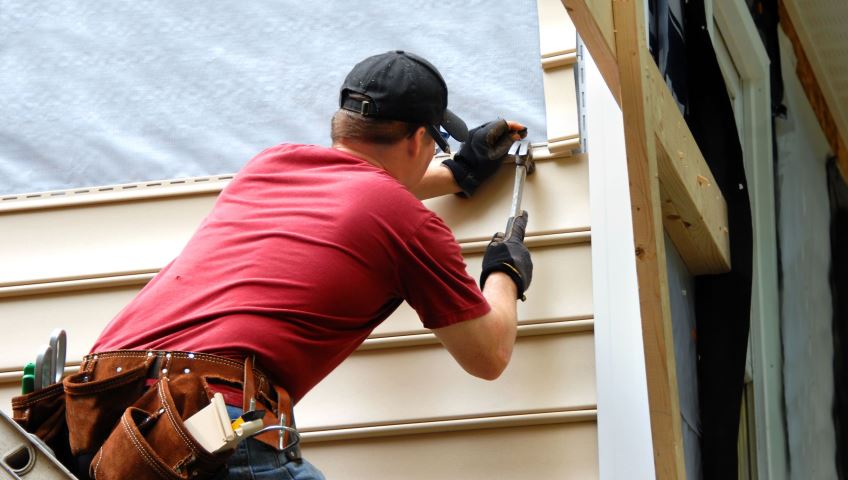
You can repair small holes or cracks in siding without replacing the whole panel by using exterior filler, a peel-and-stick patch kit, or a color-matched paint touch-up. The right repair method depends on the siding material and the size of the damage. Small nail holes and hairline cracks in vinyl siding respond well to exterior filler and paint. Larger cracks or dents may need a vinyl repair patch. Fiber cement siding, wood siding, and engineered wood like LP SmartSide each have their own repair materials and methods that restore the panel without removing it from the wall.
Repairing siding instead of replacing it saves money and preserves the existing exterior when the damage is isolated to a small area. A few cracked panels or a handful of nail holes do not require a full siding replacement. Targeted repairs stop moisture from entering the wall cavity, restore the appearance of the damaged section, and extend the life of the siding until a full replacement makes sense. Below, we walk through how to repair each siding type without replacing it, what the repairs cost, when repair is the right call versus replacement, and what homeowners insurance typically covers.
How to Repair Vinyl Siding Without Replacing It
Vinyl siding is the easiest siding material to repair without replacing because the panels are lightweight, flexible, and widely available at home improvement stores. Small holes, cracks, and surface blemishes can be fixed directly on the wall without removing the damaged panel. The two most common methods are filling with exterior filler and patching with a self-adhesive vinyl repair patch.
Fixing Small Holes or Cracks with Filler
For small holes the size of a nail or a small projectile, and for hairline cracks that have not split the panel completely, exterior vinyl or acrylic patch filler repairs the damage directly on the wall.
- Clean the damaged area by washing it with a damp rag and letting it dry completely. Dirt or debris in the crack prevents the filler from bonding to the vinyl.
- Sand the area lightly with 220-grit sandpaper to roughen the surface around the edge of the hole or crack so the filler sticks well.
- Press exterior vinyl or acrylic patch filler into the hole using a putty knife, slightly overfilling the damaged area. Overfilling accounts for shrinkage as the filler cures.
- Smooth the surface flat with a wet putty knife or damp finger, then let the filler dry for two to four hours. Once dry, sand it flush with the surrounding panel using fine-grit sandpaper.
- Paint over the dry patch with a vinyl-safe exterior paint that matches the color of the existing siding. A color-matched spray paint from the siding manufacturer produces the closest match.
This method works well for damage smaller than a quarter. Anything larger than that leaves too much filler on the surface, which tends to crack or separate from the vinyl over time as the panel expands and contracts with temperature changes.
Using Vinyl Repair Patches for Larger Damage
For larger cracks, small holes, or surface blemishes that are too big for filler alone, a self-adhesive vinyl repair patch offers a faster and more durable fix. Vinyl siding repair kits are available at most home improvement stores and include pre-cut patches and adhesive backing.
- Clean the damaged section with rubbing alcohol to remove dirt and oils that would prevent the patch from sticking.
- Peel the backing off the vinyl repair patch and press it slowly over the crack or hole, smoothing it outward from the center to avoid trapping air bubbles underneath.
- Paint the patch with an exterior paint that matches the siding color for a clean, seamless appearance.
Repair patches work best on flat sections of vinyl siding. They do not conform well to the curved profiles at the top and bottom of lap siding panels, so damage in those areas may require replacing the individual panel instead. Vinyl lap siding panels can be individually replaced without removing the surrounding panels using a siding zip tool, which unlocks the interlocking edge of the panel above.
How to Repair Fiber Cement Siding Without Replacing It
Fiber cement siding repairs differ from vinyl because fiber cement is a rigid, cement-based material that does not flex. Small cracks and chips in fiber cement siding are repaired with an exterior-grade patching compound or two-part epoxy filler, followed by priming and painting to match the surrounding panels.
Clean the damaged area and remove any loose material from the crack or chip. Apply an exterior patching compound rated for masonry or fiber cement, pressing it firmly into the crack with a putty knife. Smooth the surface and let it cure according to the product instructions, typically 4 to 24 hours depending on the filler type. Sand the cured filler smooth, then apply a coat of exterior primer followed by paint that matches the existing siding color. James Hardie recommends using their Touch-Up Kit for small repairs on Hardie board siding, which includes a color-matched paint pen for factory-finished ColorPlus panels.
Fiber cement panels that are cracked all the way through, broken into pieces, or showing signs of delamination should be replaced rather than patched. A cracked-through panel allows moisture to reach the wall sheathing behind it, and patching a full-depth crack with filler alone does not restore the panel's structural integrity or its ability to keep water out. Individual fiber cement lap siding panels can be replaced by removing the fasteners, sliding the damaged panel out, and installing a new panel in its place.
How to Repair Wood Siding Without Replacing It
Wood siding repairs depend on whether the damage is surface-level (scratches, dents, small holes) or structural (rot, split boards, insect damage). Surface damage on cedar or pine siding responds well to wood filler and paint. Structural damage usually requires replacing the affected board.
For surface-level damage, clean the area and apply exterior wood filler to the hole or crack. Sand the filler smooth once it cures, then prime and paint or stain to match the existing finish. For deeper gouges, a two-part epoxy wood filler produces a harder, more durable repair than standard wood putty. Epoxy fillers bond to the wood fibers and resist shrinking, cracking, and moisture penetration better than water-based fillers.
Rot is the most serious form of wood siding damage, and patching over rot does not solve the problem. If the wood feels soft, spongy, or crumbles when pressed with a screwdriver, the rot has penetrated too deep for a surface repair. The rotted section must be cut out and replaced with new wood, or the entire board must be removed and a new board installed. Rot that has reached the wall sheathing behind the siding requires addressing the moisture source and repairing the sheathing before new siding goes on.
How to Repair LP SmartSide Without Replacing It
LP SmartSide is an engineered wood siding made from wood strands bonded with resin and treated with zinc borate. Small surface damage on LP SmartSide is repaired the same way as natural wood: clean the area, apply exterior wood filler or epoxy, sand smooth, prime, and paint. The zinc borate treatment in LP SmartSide resists fungal decay and termites, but it does not prevent physical damage from impact, hail, or improper fastening.
LP SmartSide panels that are swelling, buckling, or showing signs of moisture absorption at the edges need closer inspection. Moisture content above 28% can compromise the zinc borate's ability to suppress fungal activity, according to technical data from LP Building Solutions. If the damage is limited to one or two panels, replacing those panels individually is the most reliable fix. A detailed comparison of LP SmartSide and fiber cement siding covers how each material handles moisture, impact, and long-term maintenance.
What Is the Average Cost to Repair Siding on a House?
The average cost to repair siding on a house is $300 to $1,400 for most targeted repairs, according to data from Angi and HomeAdvisor. The final cost depends on the siding material, the extent of the damage, and whether the repair is a simple patch or a partial panel replacement.
Repair TypeTypical CostWhat It CoversSmall hole or crack repair (DIY)$10 to $30Filler, sandpaper, paint touch-upVinyl patch kit repair (DIY)$15 to $50Patch kit, rubbing alcohol, paintProfessional single panel replacement$150 to $400Labor, one replacement panel, paint matchProfessional repair of multiple panels$400 to $1,400Labor, multiple panels, paint, flashingStructural repair with sheathing damage$500 to $5,000+Siding removal, sheathing repair, new panels, paint
DIY repairs on vinyl siding cost very little in materials. Professional repairs cost more because they include labor, color matching, and the assurance that the repair is sealed properly against moisture. For homeowners weighing whether to repair a few panels or invest in a broader project, the full picture of siding replacement costs puts repair pricing into context against the cost of replacing the entire exterior.
When Should You Repair Siding vs Replace It?
You should repair siding when the damage is isolated to a small area, the surrounding siding is in good condition, and the material still has years of useful life remaining. You should replace siding when damage covers a significant portion of the exterior, the material is near the end of its expected lifespan, or moisture has reached the wall sheathing behind the panels.
A general contractor benchmark is the 20% to 25% rule: if more than 20% to 25% of the siding surface shows damage, warping, rot, or failure, replacement is almost always more cost-effective than patching multiple areas. Ongoing patchwork on aging siding accumulates labor and material costs that eventually exceed what a single replacement project would have cost. Siding that is 20 years old or older and showing widespread cracking, fading, or moisture issues is typically a better candidate for full siding replacement than repeated spot repairs.
The condition of the wall behind the siding matters too. If a contractor removes a damaged panel and finds rot, mold, or water damage in the sheathing or framing, that area needs structural repair before any new siding goes on. Surface-only repairs that cover up hidden sheathing damage lead to bigger, more expensive problems later. We inspect the wall behind every damaged panel we work on because what is behind the siding determines whether a simple repair is enough or whether the project needs a deeper fix.
Will Homeowners Insurance Cover Siding Repair?
Homeowners insurance covers siding repair when the damage is caused by a covered peril, such as a storm, hail, fire, or falling tree. Insurance typically does not cover siding repair for damage caused by normal wear and tear, aging, lack of maintenance, or gradual deterioration.
If a hailstorm cracks several panels, the repair or replacement cost is usually covered minus the deductible. If siding is cracking because it is 25 years old and has reached the end of its lifespan, that is considered normal aging and falls outside standard homeowners coverage. Filing a claim for storm damage requires documenting the damage with photos and having a contractor provide an estimate. Many insurance adjusters will inspect the damage in person before approving the claim. A professional assessment from a siding contractor helps homeowners and adjusters agree on the scope and cost of the repair.
Frequently Asked Questions
Can You Replace Just a Few Pieces of Siding?
Yes, you can replace just a few pieces of siding in most cases. Vinyl lap siding panels unlock from each other with a siding zip tool, which allows a single damaged panel to be removed and replaced without disturbing the panels around it. Fiber cement and wood panels are fastened with nails or screws and can be individually removed and replaced with a matching panel. The new panel must match the profile, width, and color of the existing siding to produce a seamless result. Color matching is the biggest challenge in partial replacements because siding fades over time, and new panels may not match aged panels exactly. A home renovation contractor can source matching panels or recommend painting the repaired section to blend the new and old panels together.
Should You Fill Holes in Siding?
Yes, you should fill holes in siding to prevent moisture, pests, and air from entering the wall cavity behind the panels. Even small nail holes allow water to seep behind the siding over time, which can lead to rot, mold, and insulation damage inside the wall. Exterior vinyl filler works for vinyl siding holes. Exterior wood filler or epoxy works for wood and engineered wood siding. Masonry patching compound works for fiber cement siding. Every filled hole should be painted over with a color-matched exterior paint to seal the repair and blend it with the surrounding surface.
What Is the Best Siding Repair Method?
The best siding repair method depends on the material and the size of the damage. For vinyl siding, exterior filler handles small holes and cracks, while peel-and-stick patch kits handle larger blemishes. For fiber cement, exterior patching compound or two-part epoxy followed by primer and paint produces the most durable repair. For wood siding, epoxy wood filler is the strongest option for surface damage. For all siding types, replacing the individual damaged panel is the best repair method when the damage is too large or too deep for surface patching.
Can I Repair Siding Myself?
Yes, you can repair siding yourself for small, surface-level damage like nail holes, hairline cracks, and minor chips. DIY vinyl siding repairs using filler or patch kits are straightforward and require no specialized tools. Wood and fiber cement repairs are slightly more involved because they require sanding, priming, and painting. Replacing an entire panel, working at heights on a ladder, or addressing damage that may involve moisture behind the siding is better handled by a professional. Improper panel replacement can leave gaps that allow water infiltration, which creates bigger problems than the original damage.
My House Siding Fell Off. What Can I Do to Fix It?
If a section of siding has fallen off your house, inspect the exposed wall area for moisture damage, rot, or pest intrusion before reinstalling the siding. If the wall sheathing is dry and intact, the siding panel can often be re-fastened in its original position or replaced with a new matching panel. Vinyl panels that blow off in wind storms can sometimes be snapped back into place using a zip tool to re-engage the interlocking edge. If the panel is cracked, warped, or broken, replace it with a new panel cut to the same dimensions. If the sheathing behind the panel shows signs of water damage or rot, that area needs repair before the siding goes back on. Contact a siding professional for an assessment if you are unsure about the condition of the wall behind the missing siding.
How Do You Cover a Hole in Vinyl Siding Without Replacing the Panel?
You cover a hole in vinyl siding without replacing the panel by filling small holes with exterior vinyl filler and painting over the repair, or by applying a self-adhesive vinyl repair patch over larger holes and painting it to match. Clean the area first, apply the filler or patch, let it cure, and then paint with a color-matched vinyl-safe exterior paint. For holes larger than a golf ball, a patch produces a more reliable and longer-lasting repair than filler alone because the patch bridges the gap and distributes stress across a wider area of the panel surface.
The Bottom Line
Repairing siding without replacing it is practical, cost-effective, and straightforward when the damage is isolated and the surrounding material is still in good shape. Vinyl siding repairs use exterior filler or peel-and-stick patches. Fiber cement repairs use patching compound or epoxy. Wood and LP SmartSide repairs use exterior wood filler or two-part epoxy. Every repair should be primed and painted to match the existing siding and sealed against moisture.
The decision between repairing and replacing comes down to how widespread the damage is, how old the siding is, and what the wall behind the siding looks like. Isolated damage on siding with years of life left is worth repairing. Widespread damage on aging siding is usually better served by a full siding replacement that resets the clock on protection, appearance, and maintenance.
If you are unsure whether your siding needs a repair or a replacement, AZ Builders LLC can inspect the damage and give you an honest answer. We handle siding repair and replacement across Central Washington and will tell you which approach makes sense for your home. Reach our team at (509) 661-2919 to schedule an assessment.
.webp)

.webp)
.webp)
You May Also Like

.webp)
%201.webp)
%202.webp)
%203.webp)
.webp)


.avif)