
.webp)


How to Save Money on Kitchen Remodel
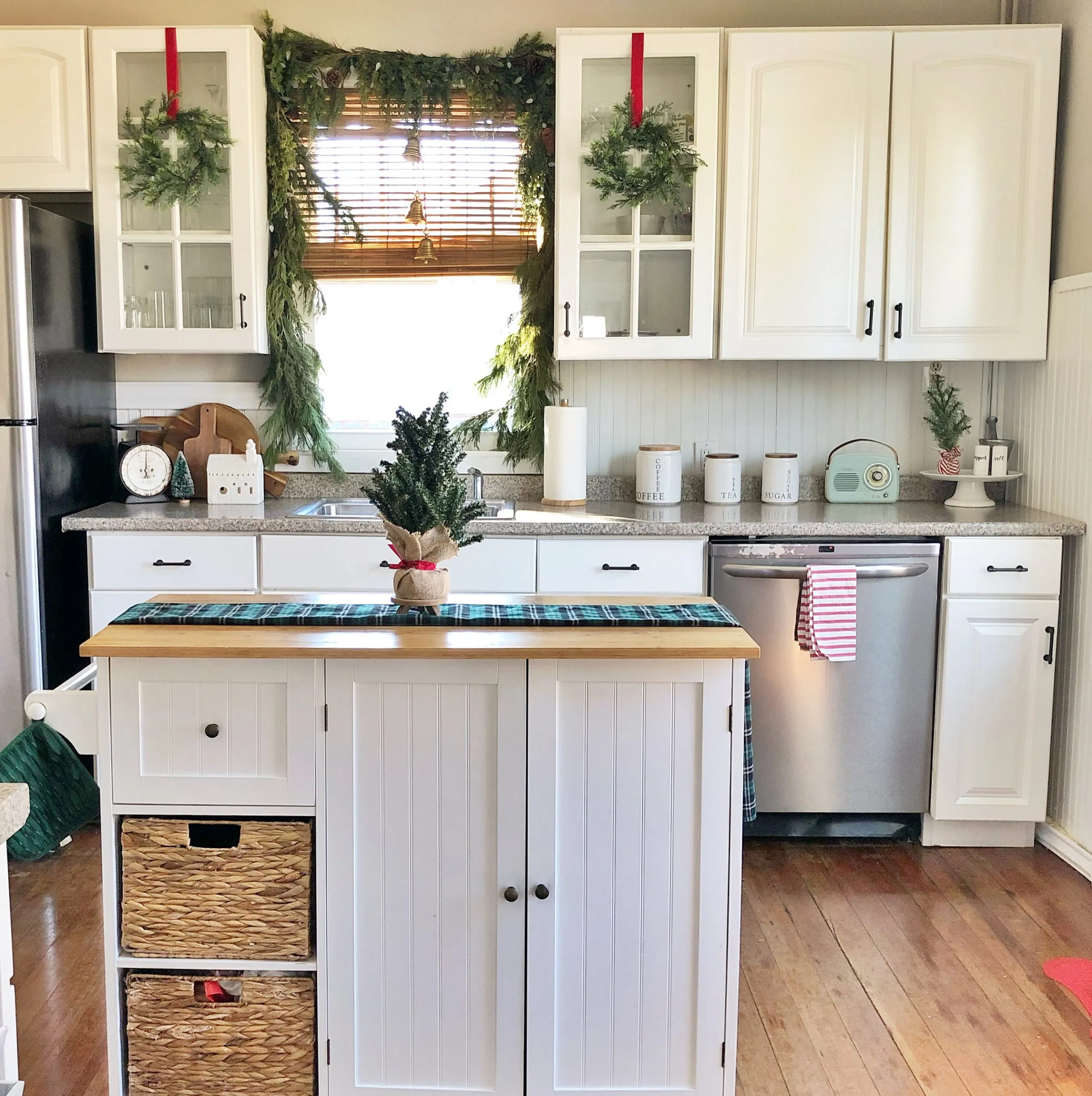
To save money on a kitchen remodel, keep your current layout to avoid moving plumbing and electrical, reface or paint functional cabinet boxes instead of replacing them, choose budget-friendly laminate or butcher block countertops, handle non-structural demolition yourself, and source materials directly rather than paying contractor markups. The average kitchen remodel costs approximately $26,943 in 2026, according to Angi, with most homeowners spending between $14,589 and $41,550. Cabinets alone account for 25% to 35% of that total budget, and labor consumes another 40% to 60%. Those two categories represent the largest opportunities to cut costs without sacrificing the quality of the finished kitchen. The 2025 Zonda Cost vs. Value Report found that a minor midrange kitchen remodel delivers a 112.9% return on investment at resale, the highest ROI of any interior home improvement tracked in the report. That means a targeted, cost-conscious renovation often pays back more than an expensive gut job. This guide breaks down exactly where to save and where to spend so your kitchen remodel delivers the most value for every dollar.
What Is the Most Expensive Part of Redoing a Kitchen?
The most expensive part of redoing a kitchen is the cabinetry, which typically takes 25% to 35% of the total remodel budget. For a kitchen with 20 to 25 linear feet of cabinets, the cost ranges from $2,000 for stock cabinets to $30,000 or more for full custom cabinetry, according to Highland Cabinetry's 2026 cost breakdown. Stock cabinets run $100 to $300 per linear foot. Semi-custom cabinets cost $150 to $700 per linear foot. Full custom cabinets exceed $500 to $1,200 per linear foot. The choice between these three tiers is the single largest cost decision in the entire remodel.
Labor is the second most expensive component, consuming 40% to 60% of the total budget according to Cabinet Select's 2026 remodeling data. Carpenters, electricians, plumbers, and tile setters all contribute to the labor total. Moving plumbing or electrical from their current locations adds $3,000 to $10,000 to the project fast, which is why keeping the existing layout is the most impactful money-saving decision a homeowner can make. Countertops rank third, ranging from $1,500 to $4,000 for laminate up to $3,000 to $8,000 for quartz, and even higher for marble or sintered stone. Every category of kitchen remodel spending has specific strategies for reducing costs without reducing quality, and the sections below address each one.
How to Save Money on Kitchen Cabinets
The biggest way to save money on kitchen cabinets is to keep your existing cabinet boxes and either reface the doors and drawer fronts or paint them, which costs 30% to 50% less than full cabinet replacement. Cabinet refacing replaces only the visible doors, drawer fronts, and hardware while leaving the structurally sound cabinet boxes in place. The labor savings are significant because refacing does not require disconnecting plumbing, removing countertops, or rebuilding the cabinet framework. If the existing boxes are solid, square, and functional, refacing transforms the appearance of the kitchen at a fraction of the replacement cost.
Painting existing cabinets is the most affordable refresh. A professional cabinet painting job costs $1,500 to $5,000 depending on kitchen size, compared to $10,000 to $25,000 for new semi-custom or custom cabinets. For homeowners comfortable with DIY, painting cabinets over a weekend brings the cost down to just the price of primer, paint, and new hardware. New hardware alone, such as handles, knobs, and pulls, can change the entire character of a kitchen for as little as $50 to $200 total.
When full cabinet replacement is necessary, ready-to-assemble (RTA) cabinets save 30% to 50% compared to pre-assembled options. RTA cabinets ship flat-packed and are assembled on site, which eliminates the shipping volume premium and allows the homeowner or contractor to assemble them at lower labor rates. According to Family Handyman, one homeowner saved $25,000 by pairing IKEA cabinet boxes with custom doors from a specialty door maker, getting the internal quality of a mid-range cabinet system with the exterior appearance of a custom line. Standard off-the-shelf cabinet sizes also cost significantly less than custom dimensions. Choosing standard sizes and filling gaps with filler strips or end panels produces a clean, built-in look without the custom price tag. A kitchen remodel contractor experienced with RTA cabinets can advise on which brands deliver the best quality-to-cost ratio for your specific kitchen layout.
How to Save Money on Kitchen Countertops
The easiest way to save money on kitchen countertops is to choose laminate, butcher block, or tile instead of natural stone or quartz, which cuts countertop costs by 50% or more. Laminate countertops cost $1,500 to $4,000 installed for a typical kitchen, compared to $3,000 to $8,000 for quartz and $4,000 to $10,000 or more for marble. Modern laminate products look far more realistic than the laminate of decades past, with convincing stone and wood grain patterns that photograph well and hold up to daily kitchen use.
Butcher block countertops offer a warm, natural wood surface at a lower price point than stone. They work especially well as an accent on an island or a secondary prep surface paired with a more durable material on the main perimeter counters. Ceramic or porcelain tile is another cost-effective option that provides heat resistance and a wide range of design possibilities. Simple subway tile or large-format exterior-grade panels on the countertop surface create a clean, modern look at a fraction of the stone price.
For homeowners who want the look and feel of stone, remnant pieces from stone fabricators offer substantial savings. Remnants are leftover slabs from larger jobs that stone yards sell at 30% to 60% below full-slab pricing. A small to mid-size kitchen island or a compact L-shaped counter can often be cut from a single remnant piece. Another strategy is limiting the premium material to high-visibility areas, such as the island or the main prep surface, and using a more affordable material on less visible stretches. This mixed-material approach delivers the visual impact of stone where guests see it while keeping the overall countertop budget in check. We see this approach on many home renovation projects where the homeowner wants a high-end result without a high-end price on every surface.
How to Save Money on Kitchen Labor
You save money on kitchen labor by keeping the existing footprint, handling non-structural demolition yourself, sourcing your own materials, and scheduling the project during a contractor's slower season. Labor accounts for 40% to 60% of the total kitchen remodel budget, according to multiple industry sources. Reducing the scope of labor-intensive work, particularly plumbing and electrical relocation, produces the largest savings in this category.
- Keep sinks, dishwashers, and ranges in their current positions to avoid the $3,000 to $10,000 cost of moving plumbing and electrical lines
- Handle non-structural demolition yourself, including removing old cabinets, pulling up flooring, and tearing out backsplash tile, which can save $1,000 to $3,000 in labor charges
- Source your own appliances, fixtures, and hardware online or during seasonal sales rather than purchasing through the contractor at marked-up prices
- Get three or more written bids from licensed contractors and compare them line by line to identify cost differences in sub-contractor rates
- Schedule the remodel during the contractor's off-season, typically late fall through early winter, when demand is lower and some contractors offer discounted rates to keep crews working
- Act as your own project manager if you have renovation experience, which eliminates the 10% to 20% general contractor management fee on smaller projects
Professional kitchen designers charge $65 to $250 per hour and typically consume about 3% of the total renovation budget, according to HomeAdvisor. For homeowners with renovation experience and comfort using free design tools like IKEA's kitchen planner or SketchUp, acting as their own designer saves $3,000 to $6,500 on a major remodel. Free layout design services are also available through cabinet retailers, big-box stores, and some full home remodel contractors who include design consultation as part of their project scope.
How to Save Money on Kitchen Appliances
You save money on kitchen appliances by buying during holiday sales events, shopping for last-year's models, using manufacturer rebate programs, price-matching across retailers, and considering gently used or open-box units. Appliance pricing follows a predictable seasonal cycle. Memorial Day, Fourth of July, Labor Day, Black Friday, and new-model rollout periods in September and October consistently produce the deepest discounts. Buying during these windows saves $500 to $2,000 on a full kitchen appliance package compared to regular pricing.
Last-year's models often perform identically to the current year's version but sell at 15% to 30% below the launch price because retailers need floor space for the new inventory. Open-box and display models at appliance retailers carry even deeper discounts for units that have never been used in a home. Manufacturer rebate programs, especially bundle rebates that reward buying multiple appliances from the same brand, stack additional savings on top of the sale price. Price-matching between online retailers and local appliance stores is another effective strategy. Many brick-and-mortar appliance dealers match or beat online pricing when asked, because they would rather keep the sale than lose it to an online competitor.
Mid-range appliances deliver the best balance of performance and value for most homeowners. The performance gap between a mid-range and a premium appliance is often smaller than the price gap suggests. A mid-range refrigerator from a reputable brand performs reliably for 10 to 15 years, while the premium version with advanced features may add $1,000 to $3,000 to the budget without meaningfully improving daily kitchen function. Spending less on appliances frees budget for the categories that drive more of the kitchen's visual impact, like cabinets and countertops. A professional remodeling team can help you identify which categories deserve the largest share of your budget based on your kitchen's specific layout and condition.
What Not to Do When Renovating a Kitchen?
The biggest mistakes when renovating a kitchen are changing the layout without a compelling reason, choosing trendy finishes over timeless ones, skipping the planning phase to rush into demolition, and overspending on one category at the expense of the overall project balance. Each of these mistakes inflates the budget without proportionally improving the kitchen's function, appearance, or resale value.
- Moving the sink, stove, or dishwasher to a new location when the current position works fine, because every moved fixture requires new plumbing lines, electrical connections, and potentially new venting, all of which add thousands to the project
- Choosing highly trendy cabinet colors, hardware styles, or backsplash patterns that may look dated in 3 to 5 years, forcing another costly update sooner than necessary
- Starting demolition before finalizing the complete design, material selections, and appliance orders, which leads to delays, change orders, and wasted labor while waiting for backordered items
- Spending the entire cabinet budget on premium custom boxes while leaving nothing for quality countertops, fixtures, and lighting that complete the look
- Hiring the lowest-bidding contractor without verifying references, insurance, and licensing, because a poor installation costs more to fix than the savings on the original bid
- Ignoring the backsplash and lighting, which are relatively low-cost upgrades that have an outsized visual impact on how the finished kitchen looks and feels
A balanced renovation spreads the budget across all visible surfaces rather than concentrating it in one area. A kitchen with beautiful cabinets, dated countertops, and builder-grade lighting looks unfinished. A kitchen with good-quality cabinets, clean countertops, a simple tile backsplash, and thoughtful lighting looks complete and intentional. The second kitchen costs less and photographs better. Knowing how much value a kitchen remodel adds to a home helps homeowners make smarter allocation decisions that pay back at resale.
Is $10,000 Enough for a Kitchen Remodel?
Yes, $10,000 is enough for a minor kitchen remodel that focuses on cosmetic updates without changing the layout, replacing cabinets, or installing new countertops from scratch. A $10,000 budget covers cabinet painting or refacing, new hardware, a fresh backsplash using peel-and-stick tile or budget ceramic, updated light fixtures, a new faucet, and a coat of paint on the walls and ceiling. These updates together transform the look of a kitchen without touching the plumbing, electrical, or structural framing.
A $10,000 budget does not cover full cabinet replacement, stone countertops, new flooring, or a complete appliance package. Homeowners working within this range get the best results by focusing on the surfaces that are most visible, cabinet doors and hardware, the backsplash, and lighting, while leaving structurally sound elements like cabinet boxes, flooring, and countertops in place when possible. A targeted refresh at this budget level often delivers a stronger visual impact per dollar than a partial gut remodel at twice the cost, because every dollar goes toward what the eye actually sees.
What Is a Reasonable Budget for a Kitchen Remodel?
A reasonable budget for a kitchen remodel depends on the scope: $10,000 to $20,000 for a minor cosmetic refresh, $25,000 to $50,000 for a mid-range renovation with new cabinets and countertops, and $50,000 to $75,000 or more for a major upscale remodel with layout changes and premium materials. The most common range for homeowners who replace cabinets, countertops, and appliances while keeping the existing footprint is $25,000 to $50,000 nationally, according to Angi's 2026 data. Knowing how much remodeling costs by category helps you set realistic expectations before the first bid comes in.
Remodel ScopeBudget RangeWhat It CoversROI at ResaleMinor / Cosmetic$10,000 - $20,000Cabinet refacing, new hardware, paint, backsplash, light fixtures, faucet112.9% (Zonda 2025)Mid-Range$25,000 - $50,000New semi-custom cabinets, quartz or granite counters, flooring, full appliance package, updated lighting~50.9% (Zonda 2025)Major Upscale$50,000 - $75,000+Custom cabinets, stone countertops, layout changes, plumbing/electrical relocation, premium appliances~35.7% (Zonda 2025)
The ROI data tells a clear story. Minor cosmetic updates return the most at resale because they cost less and still deliver a dramatic visual improvement. Major upscale remodels return less per dollar invested because the higher spending on premium materials and structural changes does not proportionally increase the home's market value. For homeowners planning to sell within a few years, a minor to mid-range remodel produces the strongest financial return. For homeowners planning to stay long-term, the budget should reflect personal priorities and daily kitchen function rather than resale math. A home renovation that balances the homeowner's lifestyle needs with smart budget allocation produces a kitchen that feels right and holds its value.
Frequently Asked Questions
What Should I Replace First in a Kitchen Remodel?
Replace the cabinets first in a kitchen remodel because they define the layout, storage capacity, and visual character of the entire room. Every other decision, including countertop dimensions, backsplash height, appliance placement, and lighting layout, depends on where the cabinets go. If you are keeping the existing cabinets and refacing or painting them, start with the cabinet doors and hardware first, then move to countertops, backsplash, flooring, and finally paint and lighting. Working in this sequence prevents damage to finished surfaces and allows each trade to complete its work without interfering with the next.
What Makes a Kitchen Look Cheap?
A kitchen looks cheap when the finishes are mismatched in quality, when hardware is builder-grade or missing, when lighting is a single overhead fixture with no layering, and when the backsplash is absent or incomplete. Consistent finish quality across all visible surfaces matters more than spending heavily on any single element. Matching cabinet hardware to the faucet and light fixture finishes creates a coordinated, intentional look that reads as higher quality. Adding under-cabinet lighting and a pendant or two over the island costs relatively little but dramatically improves how the kitchen looks and feels.
What Are the Must-Haves for a Kitchen Remodel in 2026?
The must-haves for a kitchen remodel in 2026 are durable countertop surfaces that resist staining and heat, soft-close cabinet hardware on all doors and drawers, layered lighting with task lighting under cabinets and ambient lighting overhead, a functional backsplash that protects the wall behind the stove and sink, and energy-efficient appliances. These elements define a modern, functional kitchen regardless of budget level. The American Institute of Architects' Home Design Trends Survey consistently ranks kitchen functionality, storage, and energy efficiency among the top priorities for homeowners undertaking renovations.
How Can I Save Money on a Bathroom Remodel?
The same principles that save money on a kitchen remodel apply to bathrooms: keep the existing plumbing layout, reface or paint the vanity instead of replacing it, choose ceramic tile over natural stone, install a standard-size tub or shower rather than a custom unit, and handle demolition yourself. Bathrooms are smaller than kitchens, so the savings per decision are proportionally smaller, but the strategies are identical. A bathroom remodel that keeps plumbing in place and focuses on surface-level upgrades delivers the strongest return at the lowest cost.
How Do I Find a Good Kitchen Remodel Contractor?
Find a good kitchen remodel contractor by getting three or more written bids, verifying each contractor's license and insurance, checking references from past kitchen projects specifically, and comparing bids line by line to understand where cost differences come from. The lowest bid is not always the best value because it may reflect cut corners, unlicensed subcontractors, or unrealistic timelines that lead to change orders. Look for a contractor who provides a detailed scope of work, a realistic timeline, and transparent pricing on materials and labor. A contractor who communicates clearly during the bidding phase will communicate clearly during the build.
Putting It All Together
Saving money on a kitchen remodel comes down to three principles: keep the footprint, prioritize visible surfaces, and source smart. Keeping the existing layout eliminates the most expensive line items in the entire project, plumbing and electrical relocation. Focusing the budget on what the eye sees, cabinet fronts, countertops, backsplash, and lighting, produces the biggest visual transformation per dollar. Sourcing materials directly, shopping sales, choosing RTA or stock cabinets, and selecting mid-range appliances stretches every category further. The data from the 2025 Zonda Cost vs. Value Report confirms what experienced renovators already know: a well-planned minor to mid-range kitchen remodel returns more at resale than a major upscale gut job.
At AZ Builders LLC, we help Central Washington homeowners plan and execute kitchen renovations that maximize value at every budget level. If you are ready to talk about your kitchen project, give us a call at (509) 661-2919.
.webp)

.webp)
.webp)
You May Also Like

.webp)


%201.webp)
%202.webp)
%203.webp)
.webp)


.avif)