
.webp)


Can You Paint Metal Siding?
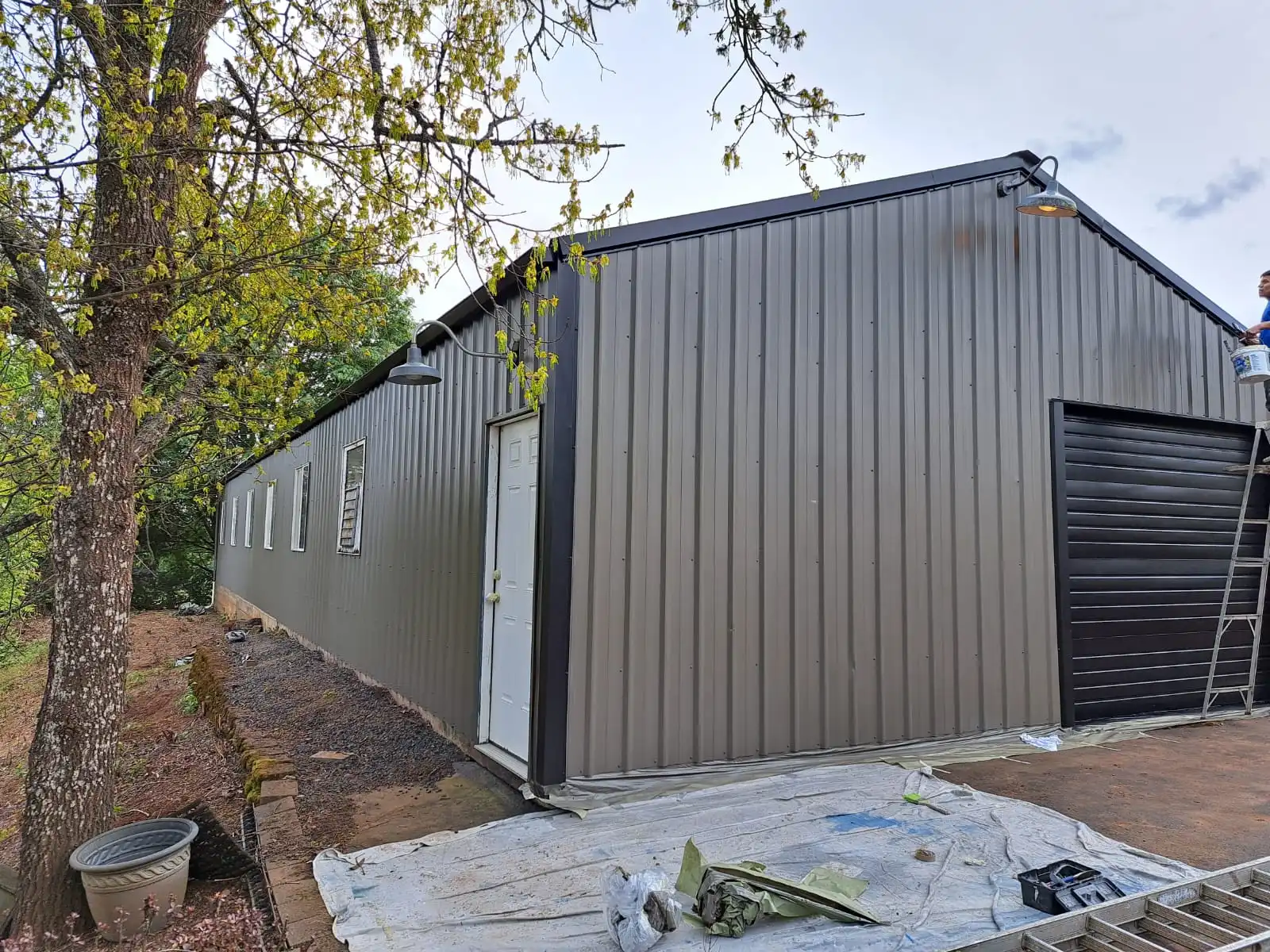
Yes, you can paint metal siding, and metal siding is one of the best exterior surfaces to repaint when done correctly. Steel and aluminum panels accept 100% acrylic latex exterior paint well, and a properly prepared and painted metal surface protects a home's exterior for 5 to 15 years before it needs a fresh coat. The key is cleaning the surface thoroughly, applying a rust-inhibitive primer where needed, and using the right paint in the right weather conditions.
This guide covers everything a homeowner needs to know about painting metal siding. We walk through why metal siding needs repainting, which paint and primer to choose, how to prepare and paint the surface step by step, the best time of year to do it, common mistakes to avoid, and how to decide whether painting or replacing makes more sense for your situation.
What Is Metal Siding and Why Does It Need Repainting?
Metal siding refers to exterior cladding panels made from steel or aluminum that protect a home's structural walls from weather, moisture, and physical damage. Some homeowners still call it "tin siding," but true tin was never widely used on residential homes. What people call tin siding is almost always steel or aluminum with a factory-applied paint finish. According to data from multiple siding industry sources, metal siding lasts 40 to 70 years with proper installation and basic maintenance, making it one of the longest-lasting exterior cladding options available.
Metal siding's factory-applied coating is hard and abrasion-resistant when new. Over time, however, ultraviolet (UV) radiation from the sun breaks down the resin binders in that coating. The pigment particles in the paint lose their grip on the surface and begin to appear as a white, powdery residue. This process is called chalking. Chalking leads to color fading, gloss loss, and eventually exposes the bare metal underneath to moisture and oxygen. Exposed metal reacts with moisture and forms rust on steel panels or oxidation on aluminum panels. Repainting stops this cycle and restores both the appearance and the protective barrier.
What Causes Metal Siding to Chalk and Fade?
Metal siding chalks and fades because UV rays degrade the resin at the surface of the factory-applied coating. According to ASC Building Products, the rate of chalking depends on the paint system. Polyester coatings break down faster, silicone-modified polyester (SMP) coatings offer moderate resistance, and polyvinylidene fluoride (PVDF) coatings provide the longest protection against chalking and fading. PVDF systems resist degradation from urban grime, air pollutants, salt, high temperatures, and humidity.
The side of a home that faces south or west receives the most direct sunlight and typically shows chalking and fading first. Homes in hot, humid climates experience faster coating breakdown than homes in cooler, drier regions. Home renovation projects that include repainting faded metal siding restore curb appeal and prevent structural damage caused by moisture reaching the underlying wall assembly.
What Kind of Paint Do You Use on Metal Siding?
The best paint for metal siding is 100% acrylic latex exterior paint in a satin or eggshell sheen. Acrylic latex paint adheres well to metal surfaces, expands and contracts with temperature changes without cracking, resists UV fading, and cleans up with water. The flexibility of acrylic latex is critical for metal siding because metal expands in heat and contracts in cold more than wood or vinyl does. A rigid paint that cannot flex with the metal will crack, peel, and fail within a year or two.
Satin sheen is the preferred finish for metal siding because it sheds water better than flat or matte finishes and holds its appearance longer. Satin also hides minor surface imperfections like small dents or scratches better than semi-gloss or high-gloss options, which reflect light and highlight every flaw. One gallon of quality exterior acrylic latex paint covers 250 to 400 square feet per coat, according to HomeGuide.
What Is the Best Paint for Exterior Metal?
The best paint for exterior metal is a high-quality 100% acrylic latex exterior paint from a reputable manufacturer. Acrylic latex paint contains acrylic resins as the primary binder, which creates superior adhesion, UV resistance, and flexibility compared to standard latex or oil-based alternatives. Oil-based paint still works well on metal and provides excellent rust protection, but it takes longer to dry, yellows over time, and requires chemical solvents for cleanup. Direct-to-metal (DTM) acrylic coatings are another option; these eliminate the need for a separate primer coat and provide industrial-grade adhesion and UV protection in a single product.
According to a 2025 survey by the Paint Quality Institute, over 40% of exterior paint failures within the first two years trace directly to improper application conditions or product selection, not defective paint. Choosing the right product for your metal type matters. Aluminum siding accepts acrylic latex paint well in most conditions. Steel siding requires a rust-inhibitive primer beneath the topcoat to prevent corrosion from forming under the new paint layer.
Do You Have to Prime Steel Siding Before Painting?
Yes, you should prime steel siding before painting in most situations. Primer serves two functions on steel siding: it creates a bonding layer that helps the topcoat adhere to the metal surface, and it adds a rust-inhibitive barrier that prevents corrosion from forming beneath the paint. Diamond Vogel, a commercial paint manufacturer, recommends using a solvent-thinned alkyd primer or a fast-dry universal primer on steel siding, especially when severe surface oxidation or heavy chalking is present.
The one exception is when the existing factory coating is still in fair condition with only light chalking. In that case, a thorough cleaning that removes all chalk residue may provide enough surface tooth for the topcoat to adhere without a separate primer. Diamond Vogel recommends always testing a small area first to confirm adhesion before committing to the full project. A siding specialist can evaluate your panels and recommend the right primer for your specific metal type and condition.
What Happens If You Paint Metal Without a Primer?
Painting metal without a primer causes poor adhesion, peeling, bubbling, and premature paint failure. Without primer, the topcoat sits on a surface that may still have chalky residue, oxidation, or microscopic contaminants that prevent a strong chemical bond. Paint applied over bare steel without a rust-inhibitive primer allows moisture to reach the metal through microscopic pores in the topcoat. Moisture on unprotected steel triggers rust formation beneath the paint, and that rust pushes the paint film off the surface from underneath.
The cost of skipping primer is significant. A failed paint job on a typical home requires scraping, sanding, re-priming, and repainting, which can cost two to three times more than doing it correctly the first time. For aluminum siding, a latex-bonding primer is the standard recommendation. For steel siding, a rust-inhibitive solvent-based metal primer provides the strongest protection.
How to Prep Metal Siding for Paint
Proper surface preparation is the single most important factor in a successful metal siding paint job. Every paint manufacturer and professional painting contractor agrees on this point. The prep work typically takes longer than the actual painting, but skipping or rushing prep is the number one cause of paint failure on metal surfaces.
Start by thoroughly cleaning the entire surface. A pressure washer set to a minimum of 2,500 PSI (pounds per square inch) removes dirt, grime, mildew, and loose chalking effectively. Hand washing with warm water and a household detergent or trisodium phosphate (TSP) also works for smaller areas. Pay close attention to eaves, soffits, and shaded areas where mildew accumulates. For mildew, Diamond Vogel recommends a solution of three parts water to one part household bleach. Let the solution sit on the surface for ten minutes, then rinse with clean water and allow the surface to dry completely.
After cleaning, inspect every panel for rust, peeling paint, dents, and damaged areas. Use a wire brush or sandpaper to remove all loose paint and surface rust. Sand glossy or slick areas to create surface tooth for the primer to grip. Spot-prime any bare metal areas with a rust-inhibitive primer before applying the full primer coat. Cover windows, doors, and trim with plastic sheeting and masking tape to protect them from overspray.
Can You Paint Over Rust on Metal Siding?
You can paint over rust on metal siding only after treating and removing the rust first. Painting directly over active rust traps moisture beneath the new paint layer and accelerates corrosion. The rust continues to expand under the paint, eventually lifting the new coating off the surface. Use a wire brush, sandpaper, or a rust converter to remove or neutralize all visible rust before priming and painting. A rust converter chemically transforms iron oxide (rust) into a stable, paintable surface that accepts primer.
After removing the rust, apply a rust-inhibitive primer to the treated area before the topcoat. This two-layer protection, converter plus primer, prevents rust from returning. For steel siding with widespread rust, the structural integrity of the panels should be evaluated before painting. Panels with rust-through holes or severe corrosion may need replacement rather than repainting.
How to Paint Metal Siding Step by Step
Painting metal siding follows a specific sequence of steps that produces even coverage, strong adhesion, and a long-lasting finish. Each step builds on the previous one, and skipping any of them compromises the final result. Here is the process from start to finish:
- Clean the entire surface with a pressure washer (2,500 PSI minimum) or by hand washing with warm soapy water and TSP. Remove all dirt, chalk residue, mildew, and loose debris. Allow the surface to dry completely for 24 to 48 hours.
- Scrape and sand all areas with peeling, flaking, or bubbling paint. Remove all loose material down to a sound surface. Sand glossy areas lightly to create surface tooth for primer adhesion.
- Remove or treat all rust spots with a wire brush, sandpaper, or chemical rust converter. Do not leave active rust beneath the new coating.
- Mask windows, doors, trim, and adjacent surfaces with plastic sheeting and painter's tape.
- Apply a rust-inhibitive primer to all bare metal areas and any spots with heavy chalking or oxidation. For steel siding, use a solvent-based metal primer. For aluminum siding, use a latex-bonding primer. Allow the primer to dry for 24 to 48 hours, following the manufacturer's instructions.
- Apply the first coat of 100% acrylic latex exterior paint using thin, even strokes. Work from the top of each wall down. Maintain a wet edge to avoid visible lap marks. Allow the first coat to dry for at least four hours at 77 degrees Fahrenheit and 50% relative humidity.
- Apply a second coat of paint using the same technique. Two thin coats provide better coverage, adhesion, and durability than one thick coat.
- Remove masking tape and plastic sheeting before the final coat dries completely to prevent the tape from pulling off fresh paint.
Should You Spray or Roll Paint on Metal Siding?
Spraying produces the smoothest, most uniform finish on metal siding and covers large surface areas faster than rolling. An airless paint sprayer delivers even coverage across flat panels, corrugated profiles, and ribbed surfaces without leaving roller marks or brush strokes. Rolling works well for smaller areas, touch-ups, and detail work around windows and trim. Many professional painters spray the main panels and use a brush or small roller for edges and tight spots.
Spraying requires more preparation time because every surface that should not be painted needs masking. Wind also affects spraying more than rolling, since overspray can travel and land on cars, landscaping, and neighboring surfaces. For best results, spray on calm days with wind speeds below 10 miles per hour.
How Many Coats of Paint Does Metal Siding Need?
Metal siding needs two coats of paint for optimal coverage and durability. Two thin coats bond better to the primer layer, hide the old color more completely, and build a thicker protective film than one heavy coat. Applying paint too thickly in a single coat causes drips, sags, uneven texture, and longer drying times that attract dust and insects. Professional painters apply two coats as standard practice on every siding project because the second coat fills microscopic gaps left by the first and creates a uniform, consistent appearance.
When Is the Best Time of Year to Paint Metal Siding?
The best time of year to paint metal siding is late spring through early fall, when air temperatures stay between 50 and 85 degrees Fahrenheit and relative humidity stays between 40% and 70%. These conditions allow the paint to flow smoothly, bond properly, and cure fully before dew forms overnight. The Central Washington climate offers a wide window of dry, warm weather from May through September that works well for exterior painting projects.
Painting in temperatures above 85 degrees Fahrenheit causes the paint to dry too fast. Fast drying prevents the paint film from leveling properly and can trap solvents beneath the surface, leading to bubbling and poor adhesion. Metal surfaces absorb and hold heat more than wood or vinyl, so the surface temperature of metal siding can be 10 to 20 degrees higher than the air temperature on a sunny day. An infrared thermometer helps verify surface temperature before painting. Painting in temperatures below 50 degrees Fahrenheit slows the chemical curing process so much that the paint may never form a proper film.
According to PPG Technical Bulletin TB-100, more than 40% of exterior paint failures within the first two years trace back to one root cause: the coating was applied in the wrong weather conditions. Choosing the right day to paint matters as much as choosing the right paint.
What Are Common Metal Painting Mistakes?
The most common metal painting mistakes are skipping surface preparation, using the wrong paint type, and painting in poor weather conditions. Each of these errors causes premature paint failure that requires costly re-work.
- Skipping the cleaning step leaves chalk residue, dirt, and oils on the surface. Paint applied over contaminants cannot bond to the metal and peels within months. Thorough cleaning with a pressure washer or TSP solution is not optional.
- Using interior paint or standard latex paint instead of 100% acrylic latex exterior paint results in a finish that cannot withstand UV exposure, temperature swings, or moisture. Interior paint lacks the resin density and UV stabilizers that exterior formulas contain.
- Painting over active rust without treating it first traps moisture and accelerates corrosion beneath the new paint layer. The rust expands and pushes the paint off from underneath.
- Applying paint in direct sunlight on a hot day causes the surface to dry too fast for proper film formation. The paint blisters, wrinkles, and loses adhesion within weeks.
- Applying one thick coat instead of two thin coats causes drips, sags, and uneven curing. Thick paint traps solvents, takes longer to dry, and does not adhere as well as two thin coats applied in sequence.
- Skipping primer on bare or heavily oxidized metal allows moisture to reach the metal through the topcoat. Without a rust-inhibitive barrier, corrosion starts beneath the new paint within the first year.
Testing a small, inconspicuous area before committing to the full project is a practice that prevents surprises. A test patch reveals adhesion problems, color mismatches, and compatibility issues between the existing coating and the new paint system before time and money are invested across the entire exterior.
How Long Does Paint Last on Metal Siding?
Paint on metal siding lasts 5 to 15 years depending on the paint quality, surface preparation, climate, and sun exposure. According to HomeGuide, paint on aluminum siding lasts 5 to 10 years under typical conditions. According to Young Construction North Iowa, expect to repaint metal siding every 8 to 12 years for best results when using a high-quality acrylic latex product with proper preparation. South-facing and west-facing walls fade faster because they receive the most direct UV exposure throughout the day.
Several factors extend paint life on metal siding. Using 100% acrylic latex paint with built-in UV stabilizers resists fading longer than budget paints with lower resin content. Applying two full coats builds a thicker protective film that withstands weathering better than a single coat. Keeping gutters and downspouts in good condition prevents water from running down the siding and eroding the paint surface. Annual cleaning with a garden hose removes dirt and pollutants that accelerate coating breakdown.
Factory-applied PVDF coatings on new metal siding panels can last 25 to 30 years or more before needing repaint, according to TruLog Siding. Field-applied acrylic latex paint does not match factory PVDF performance, but it still provides strong protection and is far less expensive than full siding installation.
Is Painting Aluminum Siding a Good Idea?
Yes, painting aluminum siding is a good idea when the panels are structurally sound and the issues are cosmetic. Painting aluminum siding costs roughly 25% to 40% less than replacing it, according to Young Construction North Iowa, and it restores curb appeal quickly. Aluminum siding with an average lifespan of 40 to 50 years, according to Vis Exterior, often fades or chalks long before the panels themselves wear out. Repainting extends the functional life of those panels without the cost and disruption of a full replacement project.
A study cited by Milanese Remodeling found that homes with strong curb appeal sell for 7% more on average compared to similar homes with worn exteriors. A fresh coat of paint on faded aluminum siding is one of the most cost-effective ways to improve a home's exterior appearance and perceived value. Homeowners who invest in their outdoor living spaces and exterior finishes see the combined effect in both daily enjoyment and resale potential. The project typically takes two to four days for a professional crew and causes minimal disruption to daily life.
Can You Paint Corrugated Metal Siding?
Yes, you can paint corrugated metal siding using the same acrylic latex paint and preparation process as flat metal panels. The wavy profile of corrugated panels creates more surface area per square foot and requires more paint per panel than flat profiles. Spraying is the preferred application method for corrugated metal siding because a roller cannot reach into the valleys between the ridges consistently. A brush can supplement the sprayer for touch-ups in hard-to-reach spots.
Corrugated siding collects more dirt and moisture in the valleys between ridges, so thorough cleaning during the preparation phase is critical. Pay extra attention to the bottoms of each valley where debris and standing water tend to accumulate.
How to Paint Metal Siding on a Mobile Home
Painting metal siding on a mobile home follows the same preparation and application steps as painting metal siding on a site-built house. Mobile homes commonly use thinner-gauge aluminum or steel panels, so extra care during pressure washing prevents denting. Set the pressure washer to a lower setting and hold the nozzle at a greater distance from the surface to avoid pushing dents into thin metal.
Mobile homes also tend to have more seams and overlapping panels than site-built homes, which means more edges where moisture can collect and rust can form. Inspect every seam and overlap during the preparation phase, and prime any exposed metal edges before applying the topcoat. According to HomeGuide, painting an aluminum mobile home costs $750 to $4,200 depending on the size and condition of the siding. A full home remodel that includes exterior work can address both cosmetic and structural siding issues at the same time.
Should You Paint Metal Siding or Replace It?
The decision to paint metal siding or replace it depends on the structural condition of the panels, the extent of the damage, and the homeowner's long-term goals. Painting is the right choice when the siding is structurally sound and the problems are limited to fading, chalking, or light surface rust. Replacement is the right choice when panels have rust-through holes, severe warping, widespread corrosion, or when the siding has reached the end of its functional lifespan.
FactorPainting Metal SidingReplacing Metal SidingAverage Cost$1 to $4 per square foot$7 to $16 per square foot installedTypical Total for Average Home$1,500 to $7,000$14,000 to $32,000Lifespan of Result5 to 15 years before next repaint40 to 70 years for new metal panelsProject Duration2 to 5 days1 to 3 weeksStructural RepairDoes not fix dents, holes, or warpingAddresses all structural issuesEnergy Efficiency ImpactMinimal improvementSignificant improvement with insulated panelsResale ROIImproved curb appeal at low cost85% to 95% cost recouped at resale
Sources: HomeGuide (painting costs), CountBricks and Homewyse (installation costs), BarrierBoss USA (resale ROI), TruLog Siding (lifespan data), Young Construction North Iowa (painting lifespan)
Painting is a smart short-term investment when the siding is in fair condition and the homeowner wants to refresh the appearance without a major expense. Replacing makes more financial sense when the siding has failed structurally, because painting over damaged panels only delays an inevitable replacement and wastes the painting budget. Options like fiber cement siding offer a balance of longevity and appearance that makes replacement a strong long-term investment.
The 2025 Remodeling Cost vs. Value Report found that vinyl siding replacement recoups approximately 97% of its cost at resale, and fiber cement siding replacement recoups approximately 114%. Those numbers show that residing a house with quality materials is one of the highest-return exterior investments a homeowner can make.
How Much Does It Cost to Have Metal Siding Painted?
Having metal siding painted costs $1 to $4 per square foot for materials and labor, according to HomeGuide. For a typical home, that translates to $1,500 to $7,000 for a complete exterior repaint. Labor accounts for 60% to 85% of the total cost because surface preparation, masking, priming, and applying two coats is labor-intensive work. Material costs include paint at $30 to $80 per gallon, primer at $20 to $50 per gallon, and cleaning supplies.
Multi-story homes cost up to 50% more than single-story homes because they require ladders, scaffolding, and more labor time. Homes built before 1978 may need lead paint testing, which adds $300 to $600 to the project cost. Comparing those numbers to new metal siding installation at $7 to $16 per square foot installed, according to 2026 Homewyse data, shows that painting delivers the same visual impact at a fraction of the replacement cost. For homeowners interested in understanding remodeling costs across different project types, the cost-per-square-foot comparison is the clearest way to evaluate options.
Frequently Asked Questions
Will Acrylic Paint Peel Off of Metal?
Acrylic paint will peel off of metal if the surface is not properly cleaned and primed before painting. When the metal surface is free of chalk, oil, rust, and loose debris, and a compatible primer is applied first, 100% acrylic latex paint adheres strongly to metal and resists peeling through years of weather exposure. The flexibility of acrylic resin allows the paint to expand and contract with the metal as temperatures change, which prevents the cracking that leads to peeling.
Will Acrylic Paint Last Outside on Metal?
Yes, acrylic paint lasts outside on metal for 5 to 15 years when applied correctly over a clean, primed surface. High-quality 100% acrylic latex exterior paint contains UV stabilizers and flexible resins that resist fading, chalking, and cracking in outdoor conditions. Lower-quality acrylic craft paints are not suitable for exterior metal siding because they lack the weather-resistant additives that exterior formulas contain.
What Kind of Paint Sticks to Metal Without Primer?
Direct-to-metal (DTM) acrylic coatings stick to metal without a separate primer because the formula combines primer and topcoat properties in one product. DTM coatings contain rust-inhibitive additives and bonding agents that grip metal surfaces directly. Standard acrylic latex paint requires a separate primer on metal for reliable adhesion, especially on bare, rusty, or heavily chalked surfaces.
How Do You Remove Paint from Metal Siding?
Removing paint from metal siding requires scraping, sanding, or applying a chemical paint stripper designed for exterior metal surfaces. A heat gun softens old paint for easier scraping on flat panels but must be used carefully to avoid warping thin metal. Pressure washing at high pressure removes loose and peeling paint but does not remove paint that is still well-adhered. For full paint removal before a clean start, a chemical stripper followed by pressure washing produces the best results.
Can You Paint Metal Siding a Lighter Color?
Yes, you can paint metal siding a lighter color, but going from a dark color to a light color requires an extra coat of a high-hiding primer to block the old color from showing through. Tinted primer that matches the new color reduces the number of topcoats needed and prevents the old dark color from creating uneven patches. Two coats of light-colored topcoat over a properly tinted primer typically produces full, consistent coverage.
Putting It All Together
Metal siding is one of the most paintable exterior surfaces a homeowner can work with. The right paint, a 100% acrylic latex exterior product in satin sheen, combined with thorough surface preparation and application in the right weather, produces a finish that protects and refreshes a home's exterior for years. Whether the siding is steel, aluminum, corrugated, or flat-panel, the preparation and painting process follows the same proven sequence: clean, sand, prime, and paint in two thin coats.
The choice between painting and replacing comes down to the condition of the existing panels. Sound panels with cosmetic fading deserve a fresh coat of paint. Panels with structural damage, rust-through holes, or severe warping call for professional replacement with materials that match the home's needs and climate.
If your metal siding needs attention, whether it is a repaint or a full replacement, we are always happy to help determine the right path forward. Reach out to AZ Builders LLC at (509) 661-2919 for a free estimate.
.webp)

.webp)
.webp)
You May Also Like

.webp)


%201.webp)
%202.webp)
%203.webp)
.webp)


.avif)